

Located in North-East Africa along the continent’s Red Sea coast, boasting a landmass of 117,600 km² – roughly the size of England – a population of over 3.6 million, and vast natural resources, Eritrea is the sovereign African nation that no one talks about.
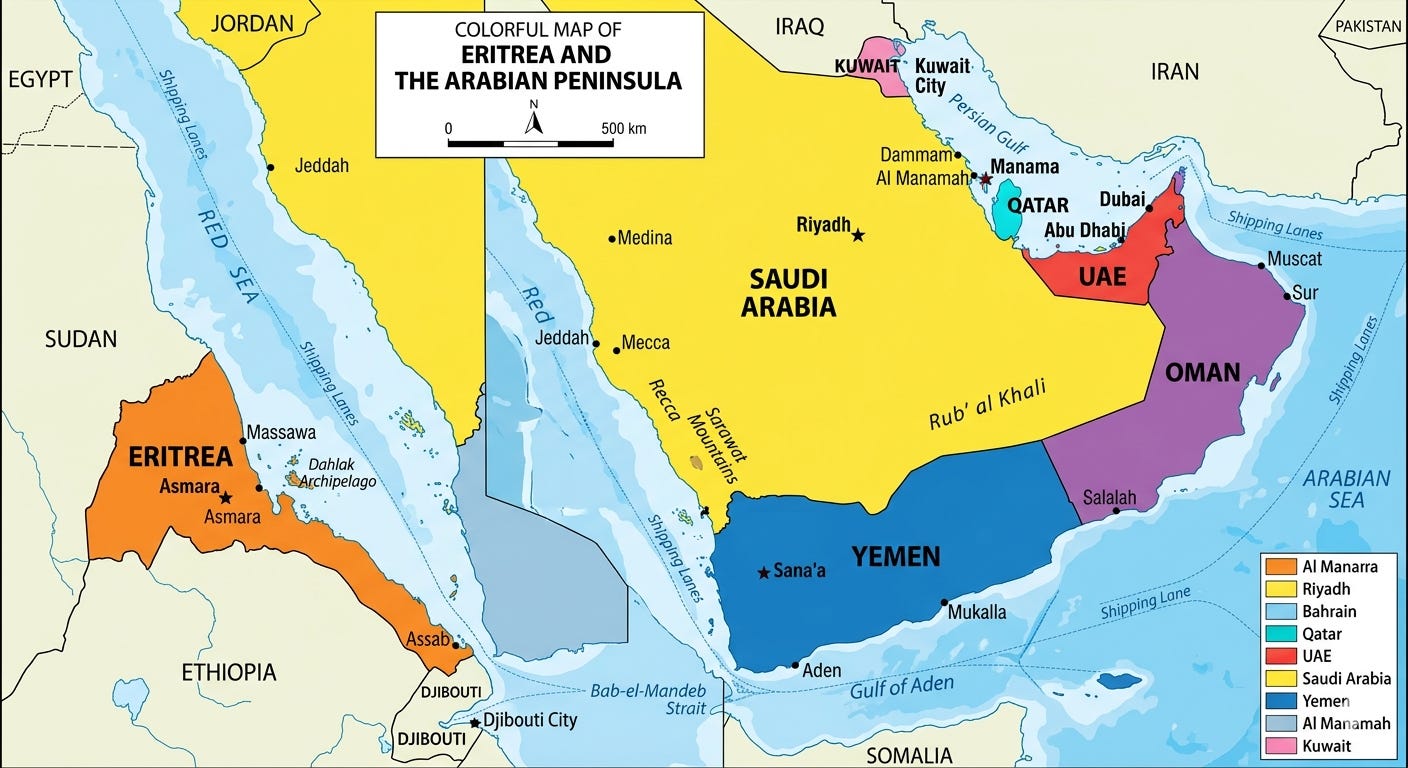
The country’s riches include gold, copper, zinc, fertile highlands, coastal fisheries, and a strategic location near some of the world’s most important shipping routes. Along with these material assets, Eritrea also boasts a deep cultural richness, expressed through its nine ethnic groups, its sacred traditions, and a revolutionary spirit born in its long struggle for sovereignty.
Eritrea won its independence from the Western-aligned Ethiopian Empire on the eve of African Liberation Day, May 24, 1991, following a 30-year war. Over the next 30 years, the country would consolidate its sovereignty, while facing repeated aggression from Ethiopia.
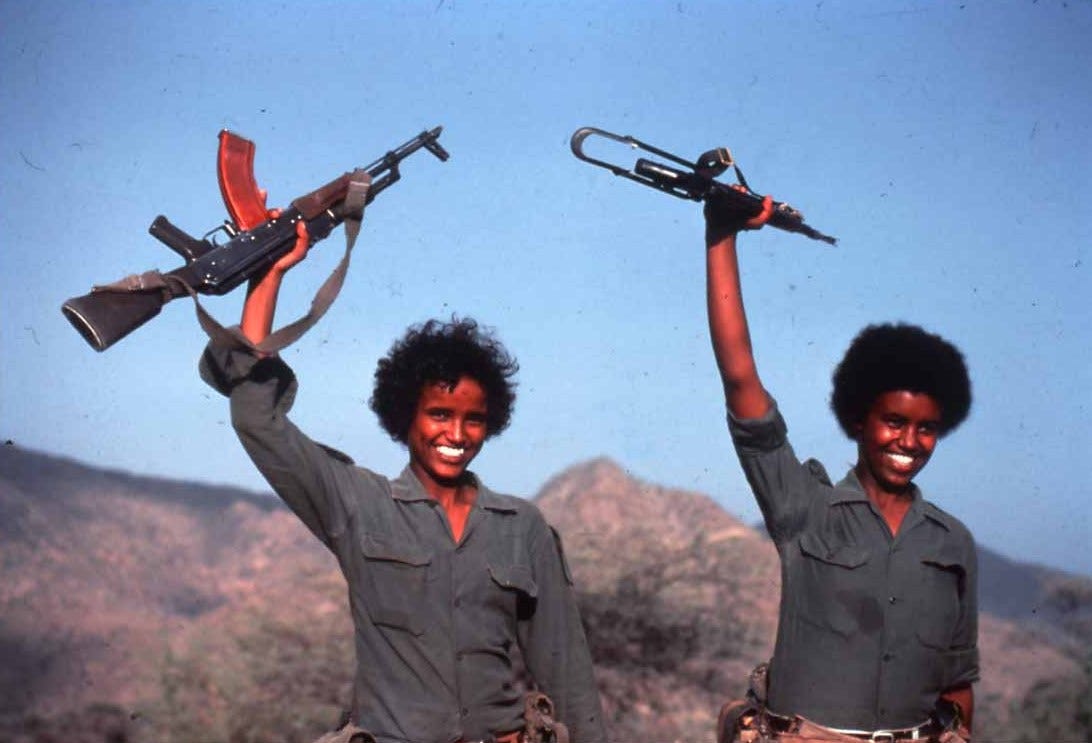
Western media outlets would have you believe that Eritrea is an “impoverished, dangerous, militarized, authoritarian, human rights-violating state”. In truth, this narrative is just that, a narrative, a story, one which serves a very important geopolitical purpose. By demonizing Eritrea, the West delegitimizes the country’s revolutionary leadership. And by imposing crippling sanctions on Eritrea, the West weakens the country’s economy, sowing discontent among its masses – discontent which it can then weaponize against the aforementioned revolutionary leadership.
Control over the Horn of Africa is the endgame here. The U.S.-Israeli war of aggression against Iran has led to tighter regulation of the Strait of Hormuz – which accounts for roughly 20% of global oil trade – by the Iranian authorities. This in turn has increased traffic along the Bab el-Mandeb Strait, which lies just off Eritrea’s southeastern coast and has historically accounted for roughly 10% of global oil trade.
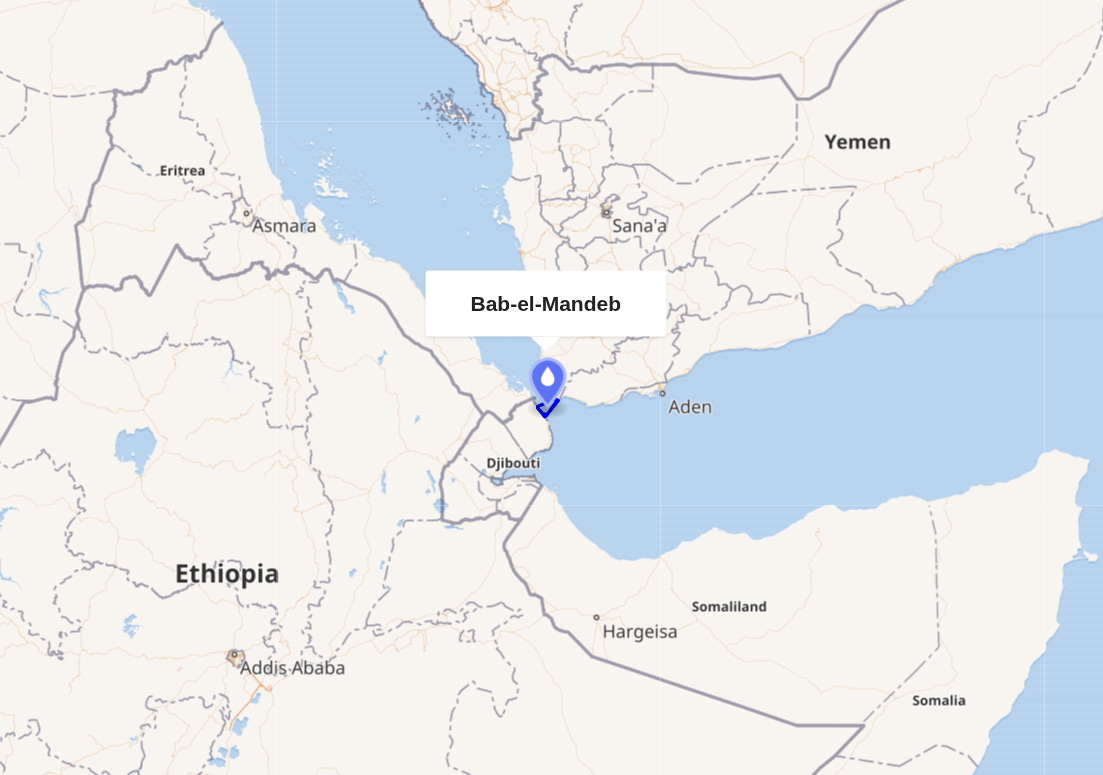
Eritrea is one of only three countries which currently share sovereign control over the Bab el-Mandeb Strait and benefit from its traffic. The other two are Yemen and Djibouti. Eritrea’s government and Yemen’s Houthi de facto government stand firmly against the West. Djibouti’s government, on the other hand, has a “defense partnership” with the United States. Should it be any wonder, then, how Western media is choosing to portray the former two?
History does not repeat itself, people repeat mistakes
This May, the U.S. announced its intention to lift some of the (illegal, immoral and unprovoked) sanctions it has spent the last 5 years imposing on Eritrea. Did the world’s most violent and treacherous country suddenly grow a conscience? Or has Iran’s consistent humiliation of this treacherous country made it desperate? In any case, the sanctions are still in place, and Eritrea remains surrounded by militarized states that answer, fundamentally, to the West. Egypt, Saudi Arabia and the UAE are among these states, and are currently working to form military blocs which threaten Eritrea’s security – such as the UAE-Israeli and Saudi-Egypt-Somilia military blocs.
There’s a quote by African Revolutionary icon Assata Shakur which is instructive here:
“The first thing the enemy tries to do is isolate revolutionaries from the masses of people, making us horrible and hideous monsters so that our people will hate us.” – Assata Shakur
Indeed, the narrative about Eritrea that the West would have us all believe could not be further from the reality of what this country, under its revolutionary leadership, the People’s Front for Democracy and Justice (PFDJ), has achieved over the last 35 years.
It’s important we highlight some of these achievements…
Women’s Rights
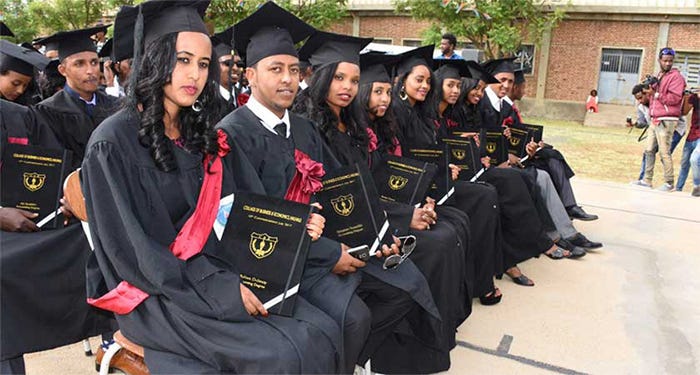
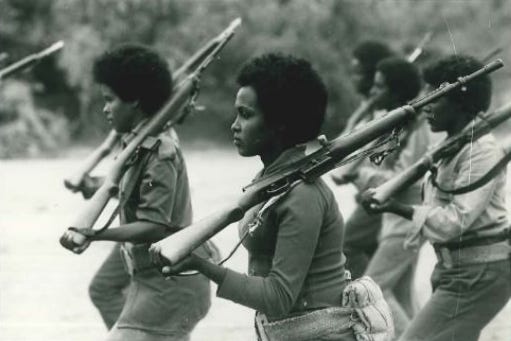
The PFDJ has implemented policies and programs to ensure equal access for women to education, employment, healthcare, land and capital. Between 1990 and 2018, female youth literacy in the country grew from 49.3% to 92.7%, and in the 2022/2023 academic year, women constituted 44.6% of university students. Though much work remains to be done as the country’s economy navigates Western sanctions, for women in Eritrea, gender equality is not the performative slogan that it is in many parts of the world. It is a lived experience rooted in the country’s revolutionary culture. Women were active participants and leaders in Eritrea’s struggle for independence.
Food Security
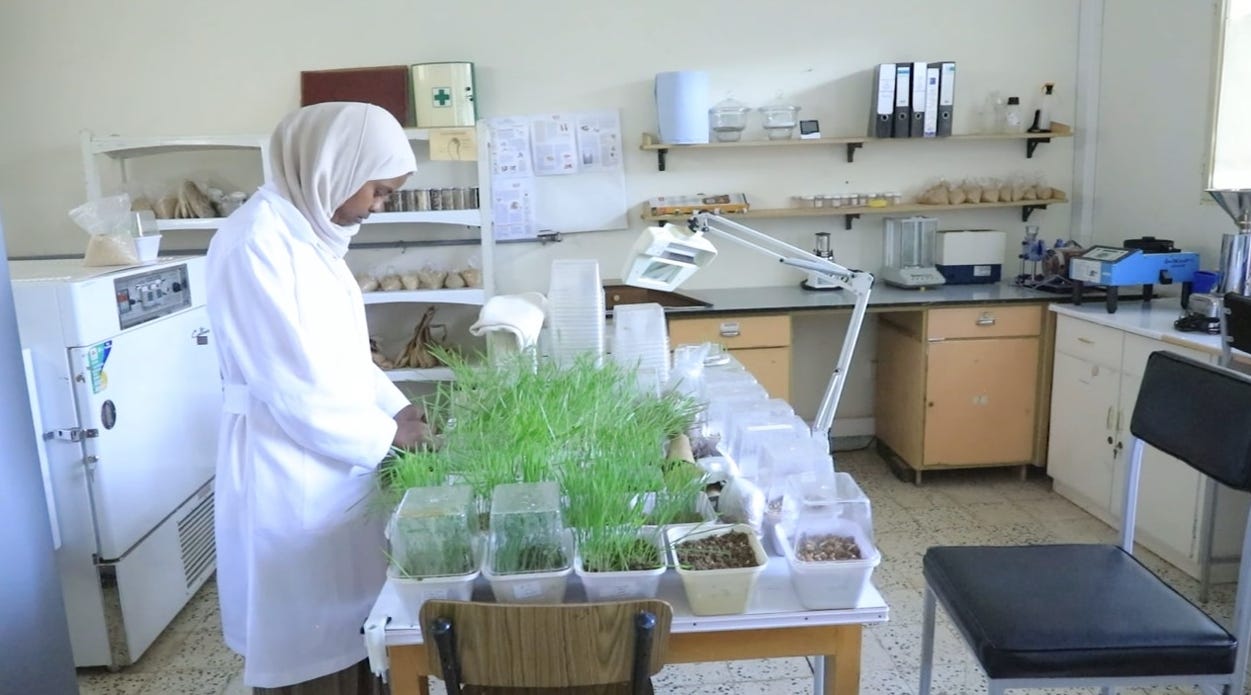
In 1991, Eritrea had fewer than 100 dams and water reservoirs. Today, the country boasts over 900. It produces 75% of its own food and is working to increase this number. Public access to safe drinking water grew from 7% at the time of independence to 95% today. And unlike some African countries ruled by Western puppet regimes (see Nigeria et al., 2026), there are no genetically modified organisms (GMOs) in Eritrea’s food system, due to the PFDJ’s strict, pro-African environmental protection policies. You won’t find the likes of Bill Gates snooping around in Eritrea, distributing seeds designed to destroy the soil they’re planted in.
U.S. sanctions on key institutions like the Eritrean state-owned Red Sea Trading Corporation (RSTC) continue to threaten the country’s food security, but have so far failed to break its will.
Healthcare
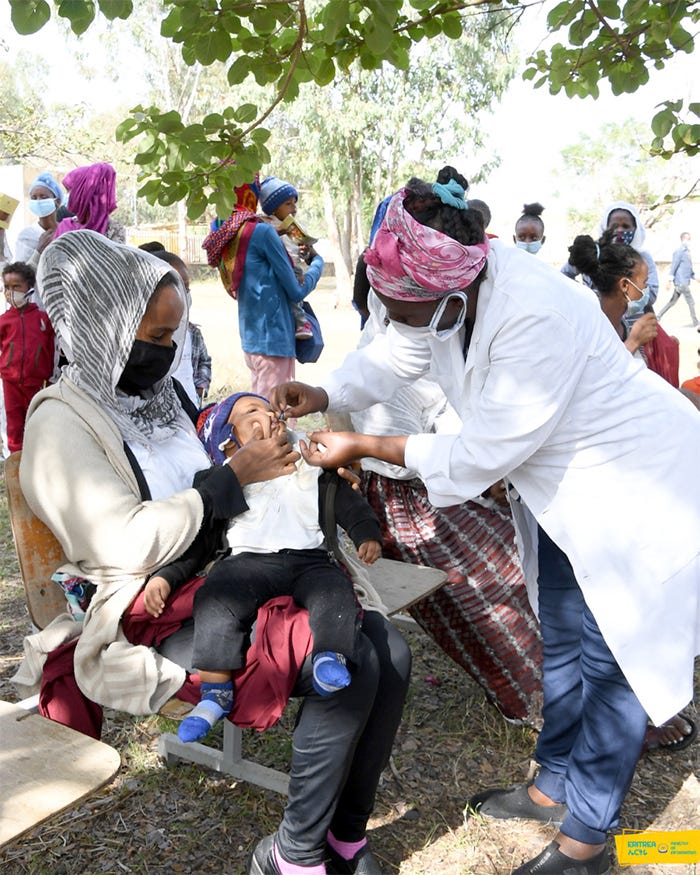
Healthcare is free for all in Eritrea. The country has the highest life expectancy in its region and has recorded drastic drops in child and maternal mortality rates over the decades. 80% of its population live within 10 kilometers of a health facility. 98% of its pregnant women receive reliable antenatal and postnatal care, free of charge. More than 95% of its infants are vaccinated. And public health awareness is the order of the day.
U.S. sanctions on Eritrea’s financial sector have locked it out of “international” payment systems like SWIFT, making medical collaboration and procurement across borders difficult. But the struggle continues.
Education
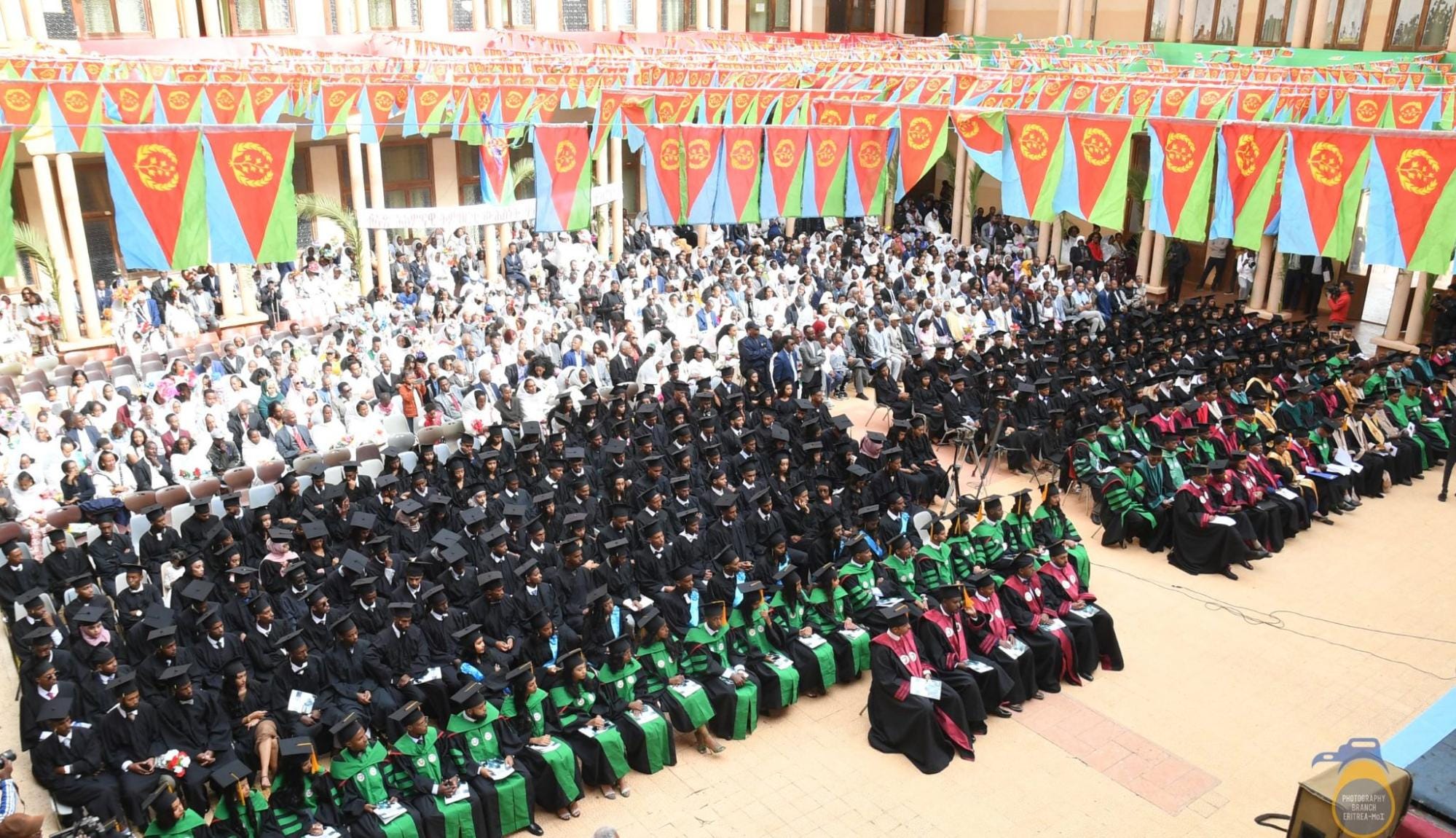
Education is free to all Eritrean citizens, from elementary to tertiary. Elementary education is compulsory and the country has one of the highest literacy rates on Earth, with a youth literacy rate of about 93% as of 2018. This, Eritrea achieved despite UN Security Council (UNSC) sanctions restricting its importation of lab equipment, computers, electronics, tools, and educational software. Travel bans have also hampered international academic collaboration, the exchange of knowledge required for any serious nation to develop in this day and age. But the struggle continues.
Stability
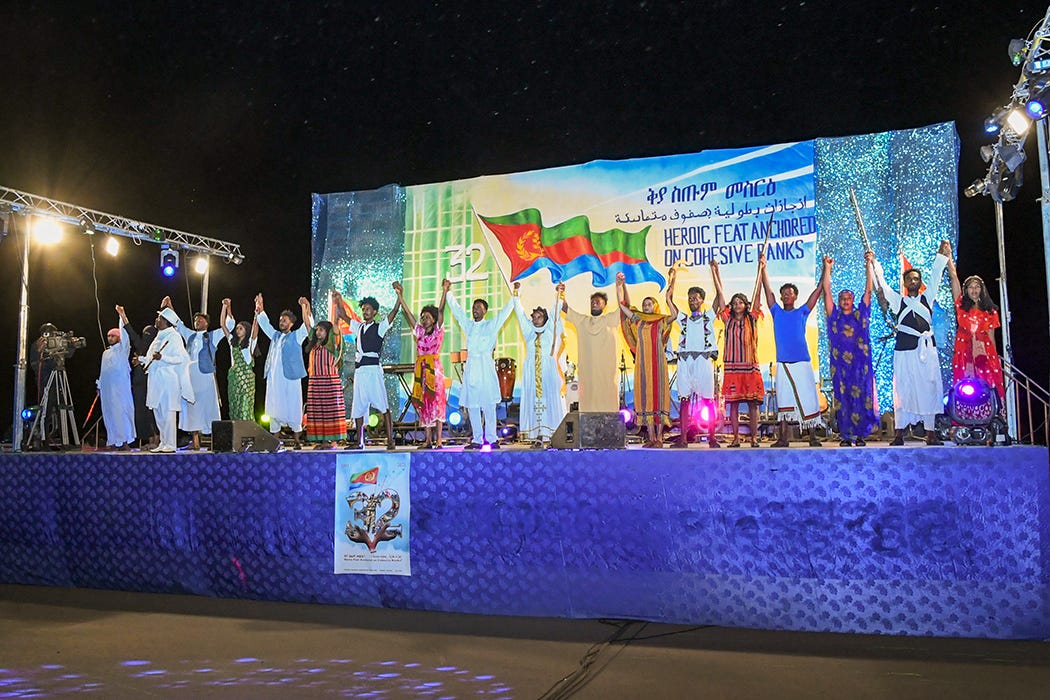
Despite external hostilities, Eritrea enjoys peace within its own borders. Nine ethnic groups, four major religions, and various nationalities all live harmoniously in the country. The country officially recognizes all nine of its ethnic languages, with the working languages being Tigrinya, Tigre, Arabic and English.
The Need for Pan-African Power Bases
The All-African People’s Revolutionary Party (A-APRP) asserts that all people of African descent are Africans, no matter where they may have been born or where they live. One of the major problems facing Africans today – and why so many of us across the globe deny or shy away from our African heritage – is a lack of POWER. The A-APRP understands that for Africans, this power will only come when our people are consciously organized, under a revolutionary, Pan-Africanist party, grounded in indigenous, scientifically socialist principles. Wherever such a party gains state power in Africa, that African state will prosper, and be able to withstand any external or internal threats to its prosperity, since it will prioritize building the human and technological capacities necessary to do so. The enemies of humanity have always known this, and have done everything in their own power to stop the African Revolution. From Ghana in 1966, to Mali in 1977, to Burkina Faso in 1987, to Libya in 2011, to the Alliance of Sahel States (AES) and Eritrea today, the pattern has been the same since the Decade of African Independence.
By recognizing the true face of our enemy, consciously organizing against this enemy, and standing firmly behind those who are already leading the way, we Africans can break this pattern, once and for all.
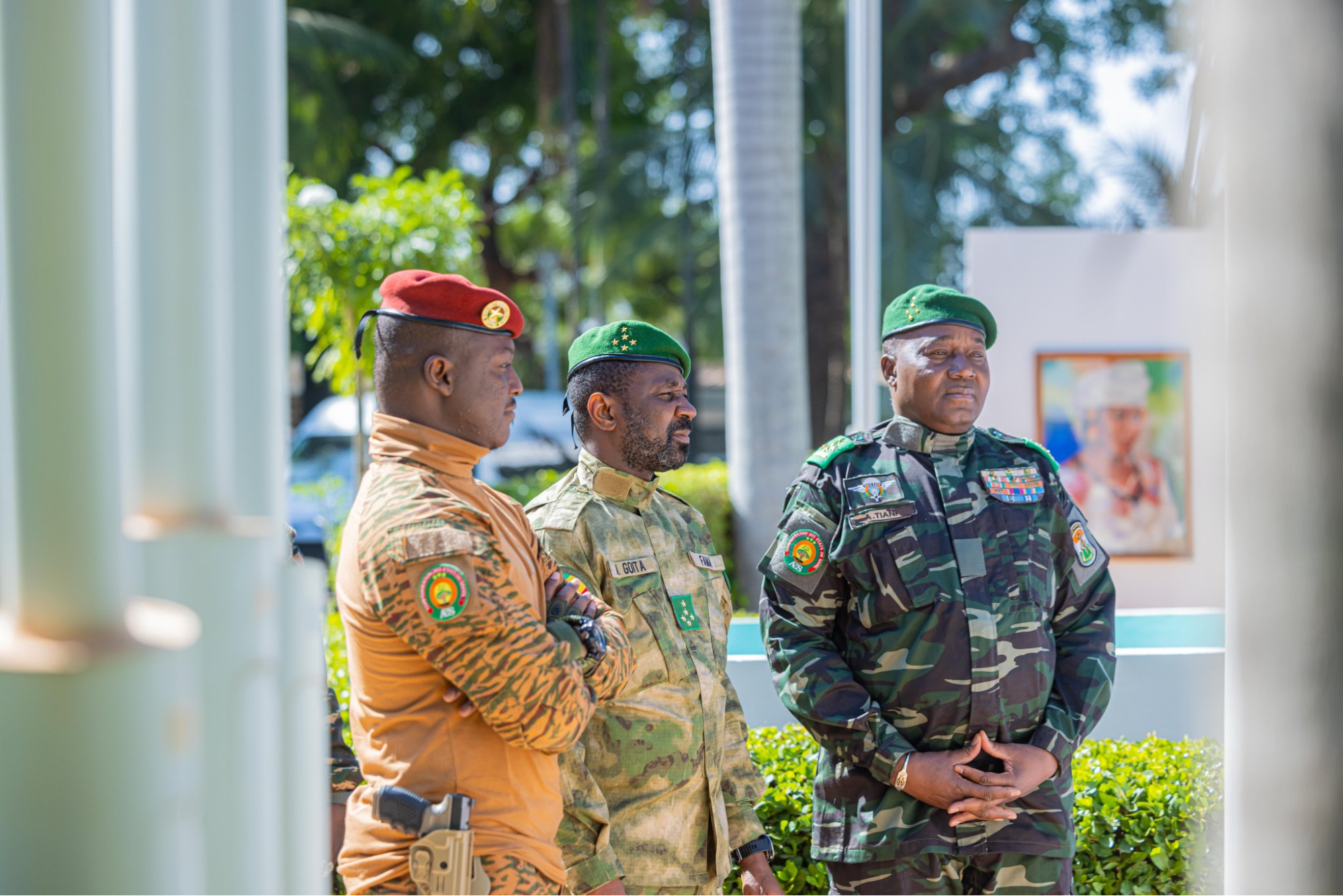
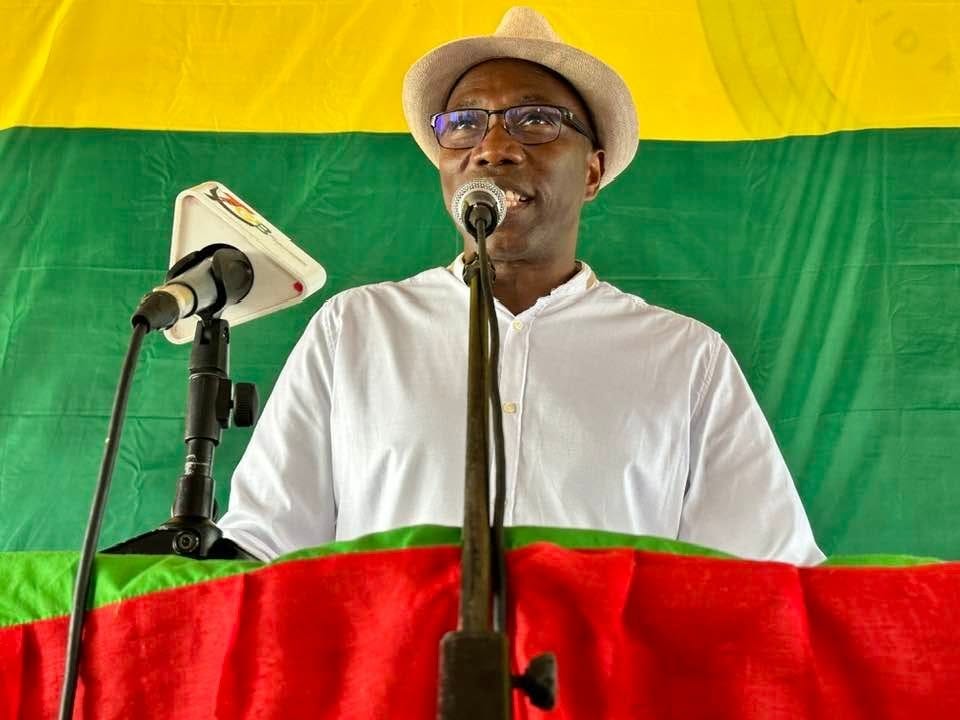
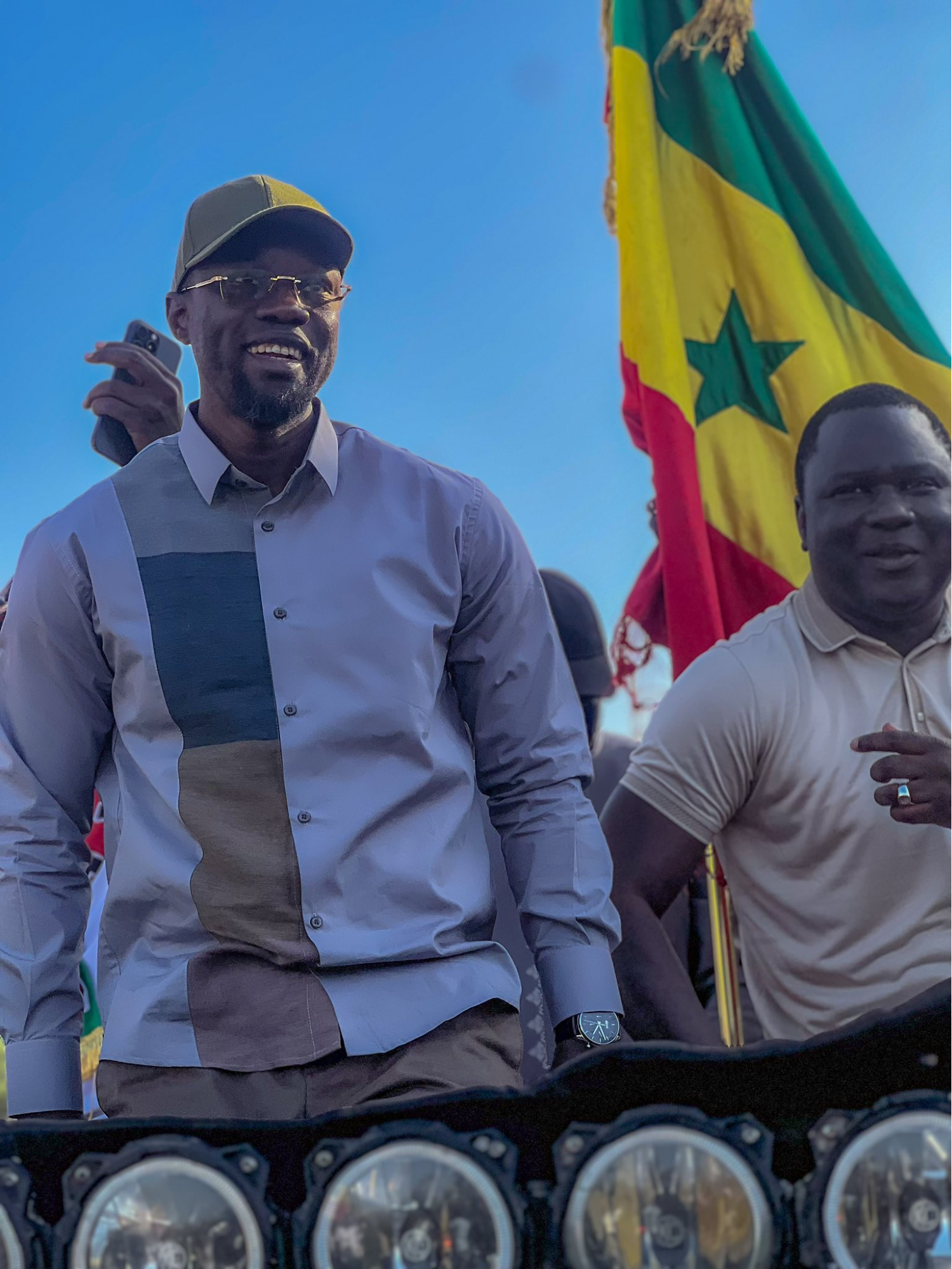
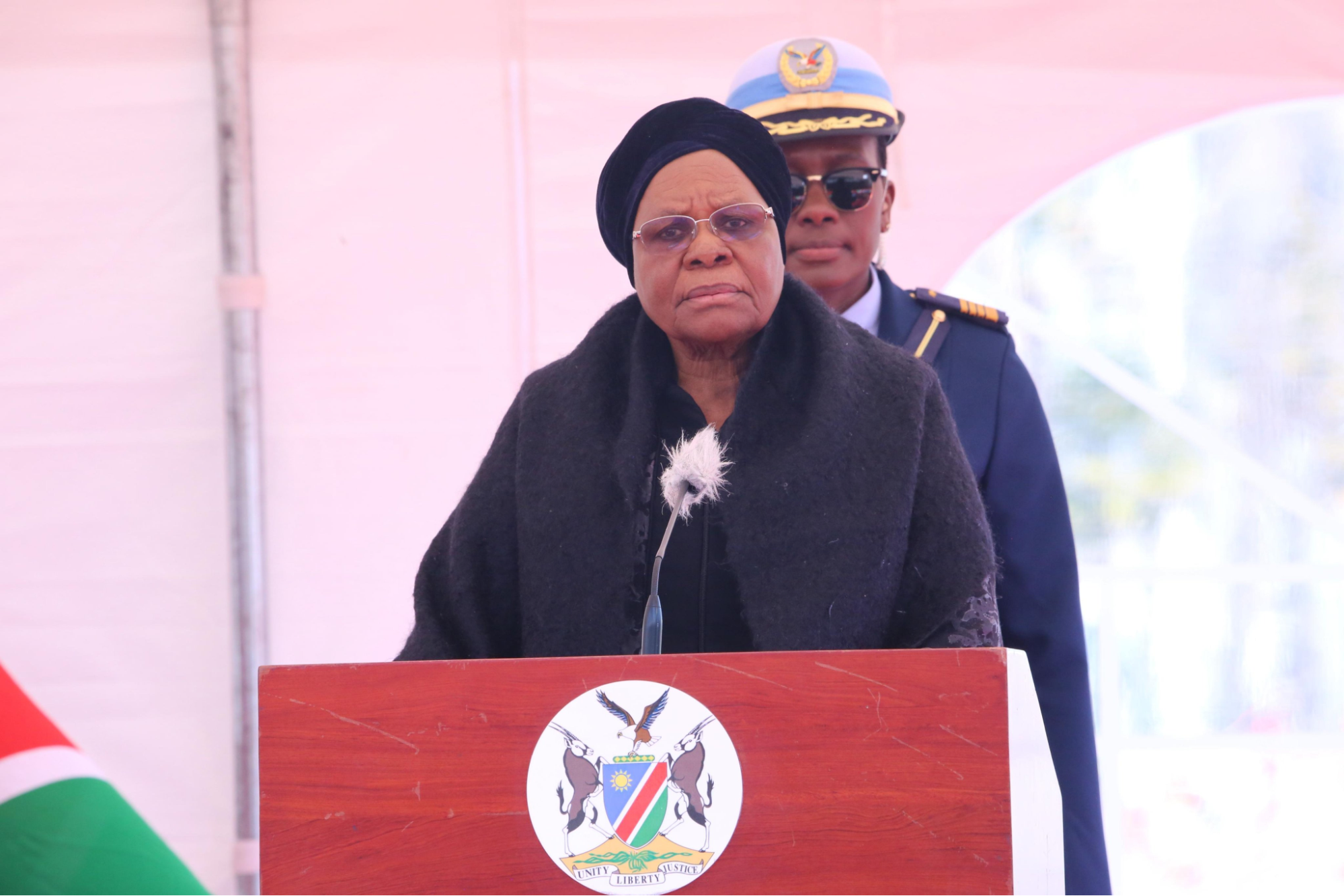
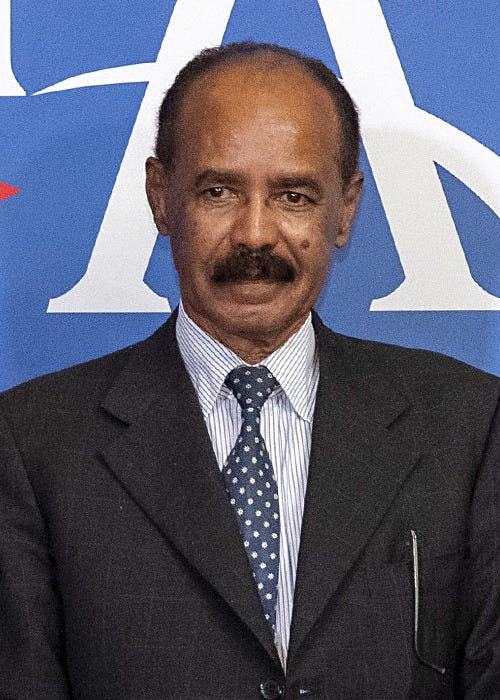
The progress, revolutionary direction and strategic location of Eritrea make it a vital base of African power which must be defended, strengthened, developed, and most importantly, unified with the rest of the continent.
The people of Eritrea have proclaimed: “Self-determination is an intrinsic trait of Eritreans. Hence, Eritrea is committed to self-development with dignity, relying first and foremost on its own people to set the pace, direction, and character of the country’s passage from colonial subjugation to full economic sovereignty.”
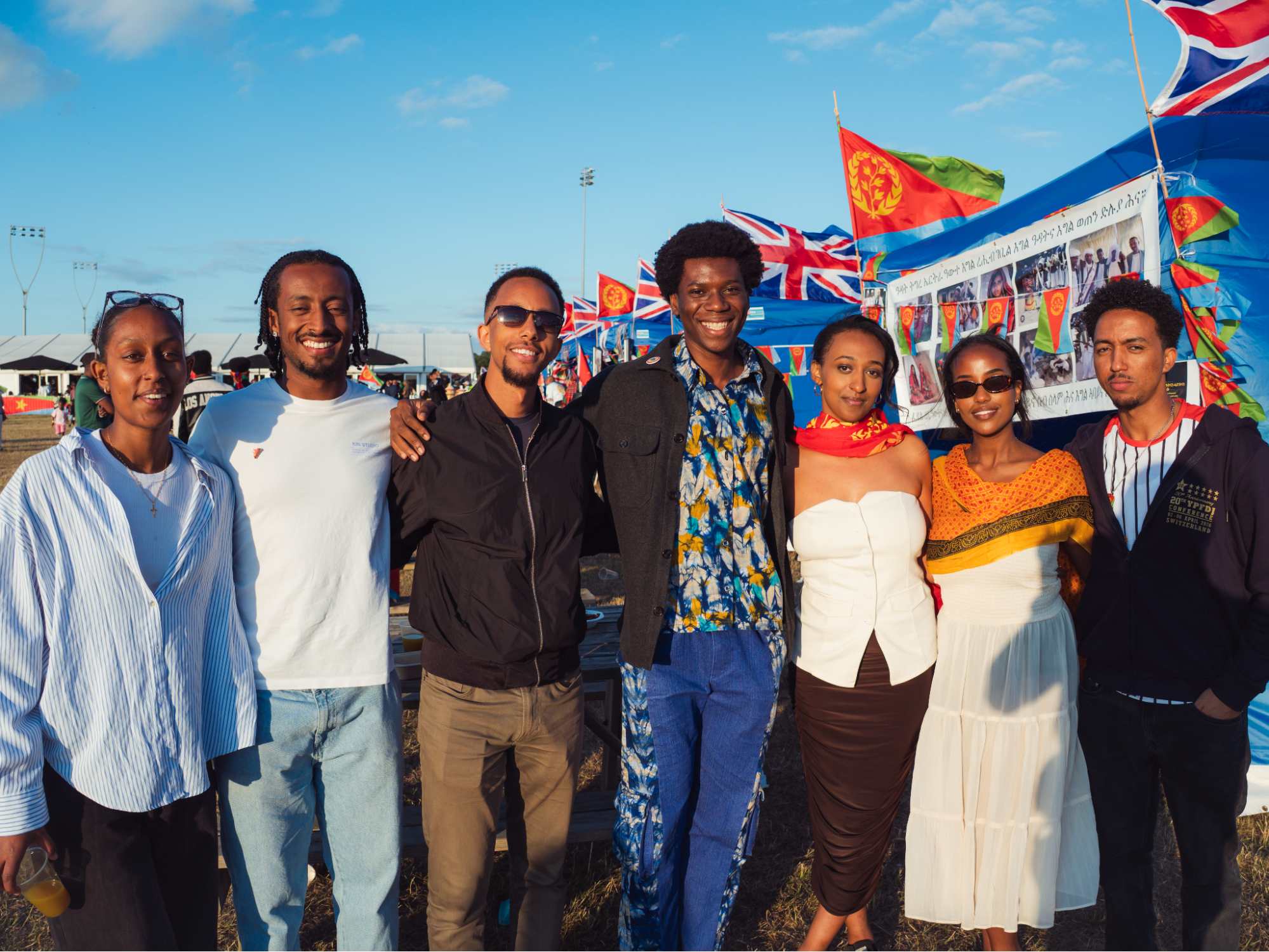
The A-APRP condemns the decades of aggression, slander and sanctions perpetrated against Eritrea by the Western capitalist empire. We salute the sacrifice of Eritrea’s brave women and men, who waged a 30-year struggle for their liberation and won. We remain steadfast in our support for Eritrea’s goals of sovereignty, social justice, national development, and taking its rightful place on the world stage, as a truly independent African state.
Ready for Revolution!
SOURCES
Eritrea’s population
https://www.worldometers.info/world-population/eritrea-population/
Eritrea’s Independence Struggle
https://www.blackagendareport.com/independent-sovereign-eritrea-stays-course
Ethiopia’s history of Western alignment
https://www.scribd.com/document/840693911/Foreign-Policy-and-Diplomacy-in-Ethiopia-Have-Unde
Eritrea condemns Ethiopian aggression
The importance of the Strait of Hormuz
https://unctad.org/publication/strait-hormuz-disruptions-implications-global-trade-and-development
The importance of the Bab el-Mandeb Strait
Bab el-Mandeb Strait info
https://www.britannica.com/place/Bab-El-Mandeb-Strait
Countries that presently control the Bab el-Mandeb Strait
https://hornreview.org/2026/04/14/bab-el-mandeb-the-next-global-flashpoint/
Al-Houthi Condemns US–Israeli War on Iran as ‘Unjust, Brutal Aggression’
Eritrea condemns ‘illicit, immoral’ US sanctions
https://www.aa.com.tr/en/africa/eritrea-condemns-illicit-immoral-us-sanctions/2420015
Djibouti’s “defense partnership” with the US
US to lift Eritrea sanctions as Red Sea tensions reshape alliances, document says
US mulls shrinking military footprint in Gulf as a result of war on Iran: Report
https://www.middleeasteye.net/news/us-mulls-shrinking-military-footprint-gulf-result-war-iran
Israel-UAE defense ties survive their first war
https://www.gisreportsonline.com/r/israel-uae-defense-ties/
Saudi–Egypt–Somalia military bloc ‘taking shape’ amid regional tensions
https://www.newarab.com/news/saudi-egypt-somalia-military-bloc-taking-shape-amid-tensions
Eritrea policies on Gender Equality
https://shabait.com/2019/12/14/eritrea-gender-equality-stability-and-prosperity/
Eritrea’s Progress toward Ensuring Gender Parity in Education
https://shabait.com/2023/12/14/eritreas-progress-toward-ensuring-gender-parity-in-education/
Group calls for review of GMO approval in Nigeria
Burkina Faso summons the EU ambassador over a critical resolution by the European Parliament
Russian intelligence accuses Macron of authorizing operations aimed at eliminating ‘undesirable leaders’ in Africa
Western sanctions on Eritrea
https://mesobjournal.com/post/eritrea-sanctions-siege-sovereignty-context
Women leaders in Eritrea’s liberation struggle.
https://www.blackagendareport.com/isaias-afwerki-my-struggle-eritrea-and-africa ,
https://mesobjournal.com/post/eritrea-2024-un-report-shows-a-nation-advancing-on-its-own-terms
Food Security in Eritrea
https://www.blackagendareport.com/eritrea-story-you-dont-hear-0 ,
https://shabait.com/2019/04/13/mihap-a-small-but-highly-effective-pursuit-for-sustainable-growth/
Education in Eritrea
https://mesobjournal.com/post/eritrea-a-rising-model-of-stability-and-progress-in-africa ,
https://shabait.com/2024/08/03/quality-medical-education-for-securing-the-health-of-the-society/
Free education in Eritrea, UNSC sanctions and travel ban
https://www.blackagendareport.com/eritrea-we-wont-kneel-down ,
https://mesobjournal.com/post/eritrea-sanctions-siege-sovereignty-context
Peace and Harmony in Eritrea
https://mesobjournal.com/post/eritrea-a-rising-model-of-stability-and-progress-in-africa
Pan-African Ghana & Technological advancement
Pan-African Mali & Technological advancement https://malijet.com/interview_mali/166235-seydou-badian%2C-ancien-ministre-du-pr%C3%A9sident-modibo-k%C3%A9ita-%C2%ABc%E2%80%99est-.html
Pan-African Burkina & Technological advancement
Pan-African Libya & technological capacity
https://www.sciencedirect.com/science/article/abs/pii/S1464190999000179
This article is the written version of a joint report by the All-African People’s Revolutionary Party and The Spearhead, in commemoration of Eritrea’s 30-year liberation struggle, which began this very month, on September 1st, 1961. The Spearhead is proud to call itself a sister organization of the A-APRP. Visit www.aaprp-intl.org to learn more about the Party and join the Revolution.
Forward ever!