


In the latest testament to Russia’s solidarity with Africa, Mali has added 7 new Russian-manufactured military aircraft to its arsenal. Malian President, General Assimi Goïta, handed over the new craft to the country’s Ministry of Defence in a ceremony held at Modibo Keita International Airport in Bamako, on November 16, 2026.
The West’s solidarity with Mali when it was still occupying the country included barely-functional military aircraft and training Malian military personnel with wooden prop guns.
For Africa, the lesson here should be obvious.
Mugabe: The ‘West’s Darling’ Until He Booted Settlers
Kenyan lawyer and Pan-Africanist P.L.O. Lumumba recounts how the West lauded former Zimbabwean leader Robert Mugabe (1924-2019) until he began taking back land from British settlers.
Tap the link in our profile to find us across the web.
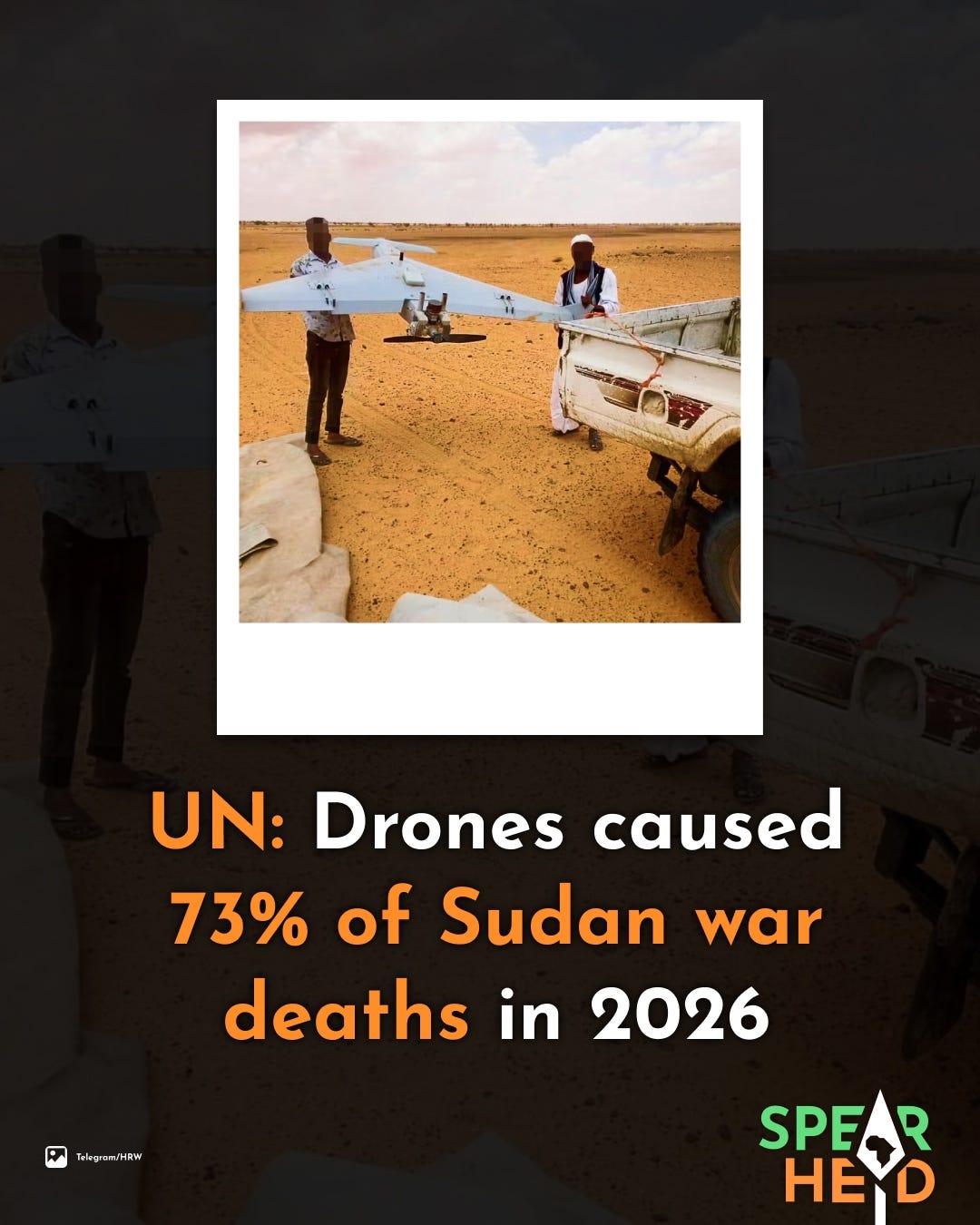
The war in Sudan rages on, with 73 per cent of deaths caused by drones between 1 January and 31 October, according to a report by the United Nations Office of the High Commissioner for Human Rights. The report refers to the use of drones as a “defining feature” of the war.
On 23 November, drone strikes targeted UN buildings, government buildings and Khartoum’s airport, killing at least four people.
Further, drones have increasingly struck electricity facilities and fuel stations, triggering blackouts and fuel shortages. Power outages have disrupted health services, access to clean water and food production.
Sudan recently accused neighbouring Ethiopia of being a launch pad for drones and for providing logistical support to the Rapid Support Forces (RSF), which has fought the Sudanese Armed Forces in a war fuelled on both sides by foreign powers, such as the United Arab Emirates, the United Kingdom, and the United States.
The war has caused the world’s largest displacement crisis, with 8.59 million internally displaced and 3.92 million externally displaced, according to the United Nations.
Video credit: @africaspeaksn
UN: Drones Cause 73% of Sudan War Deaths in 2026
The war in Sudan rages on, with 73 per cent of deaths caused by drones between 1 January and 31 October, according to a report by the United Nations Office of the High Commissioner for Human Rights. The report refers to the use of drones as a “defining feature” of the war.
On 23 November, drone strikes targeted UN buildings, government buildings and Khartoum’s airport, killing at least four people.
Further, drones have increasingly struck electricity facilities and fuel stations, triggering blackouts and fuel shortages. Power outages have disrupted health services, access to clean water and food production.
Sudan recently accused neighbouring Ethiopia of being a launch pad for drones and for providing logistical support to the Rapid Support Forces (RSF), which has fought the Sudanese Armed Forces in a war fuelled on both sides by foreign powers, such as the United Arab Emirates, the United Kingdom, and the United States.
The war has caused the world’s largest displacement crisis, with 8.59 million internally displaced and 3.92 million externally displaced, according to the United Nations.
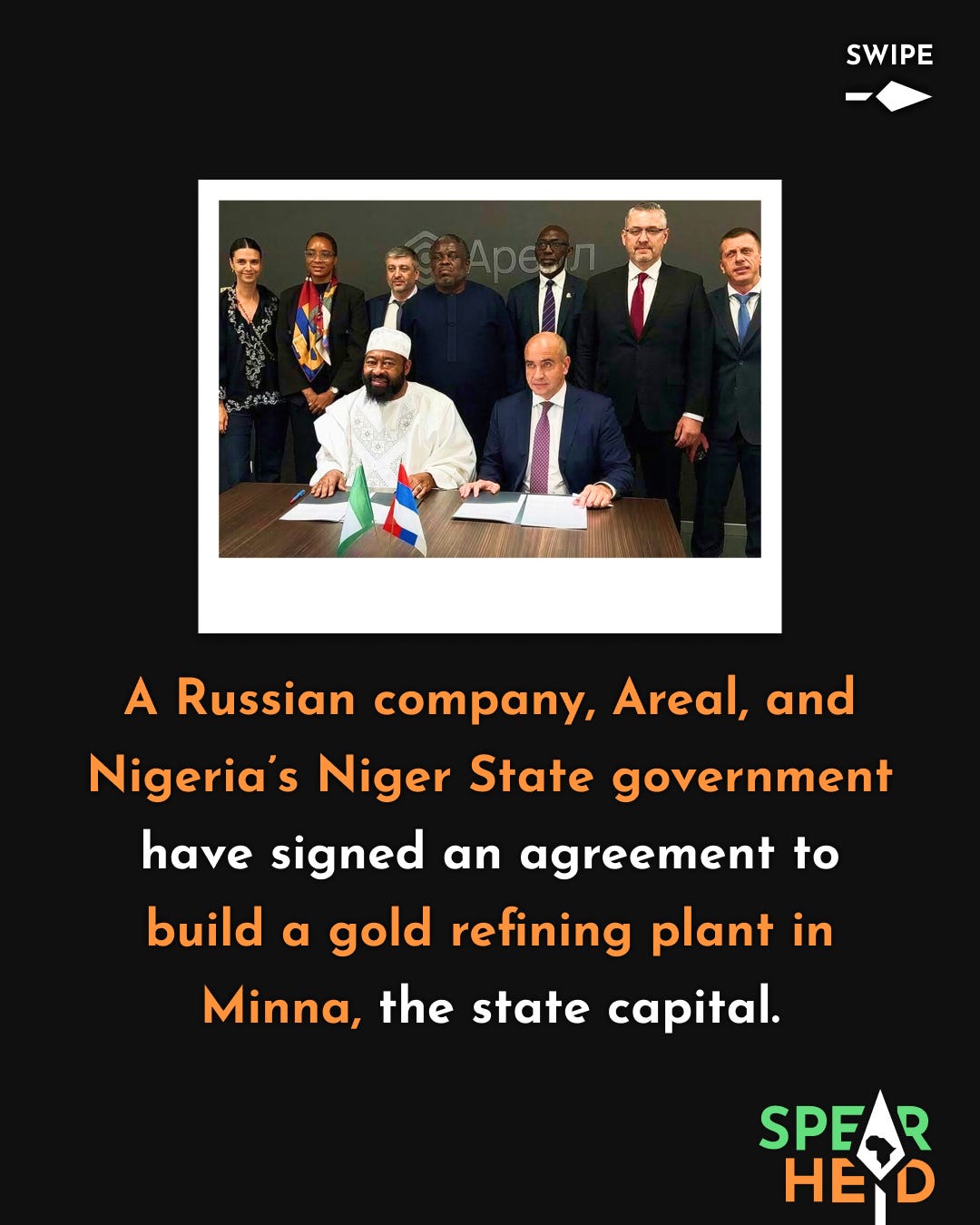
Nigeria Partners Russian Firm to Build Gold Refinery in Niger State
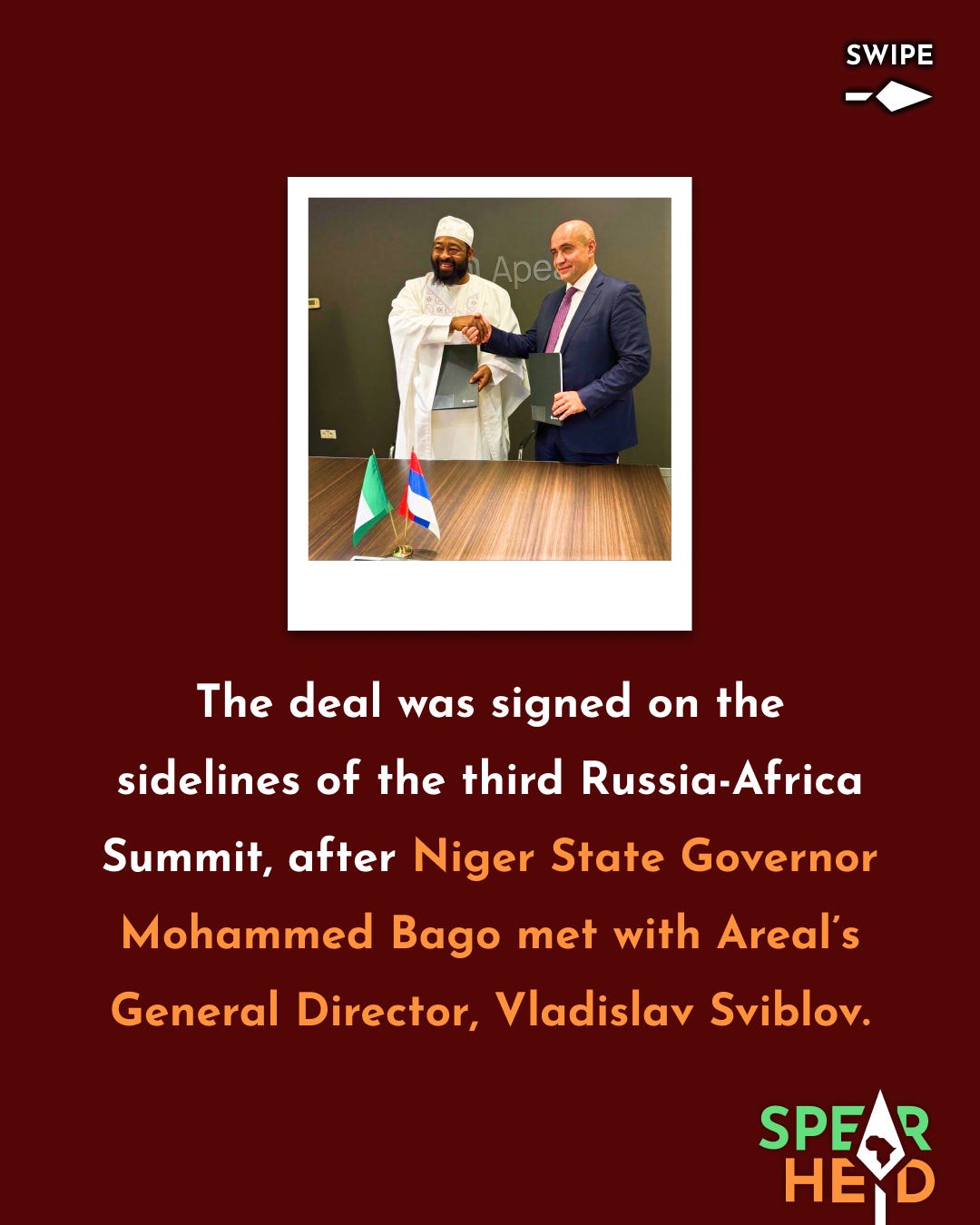
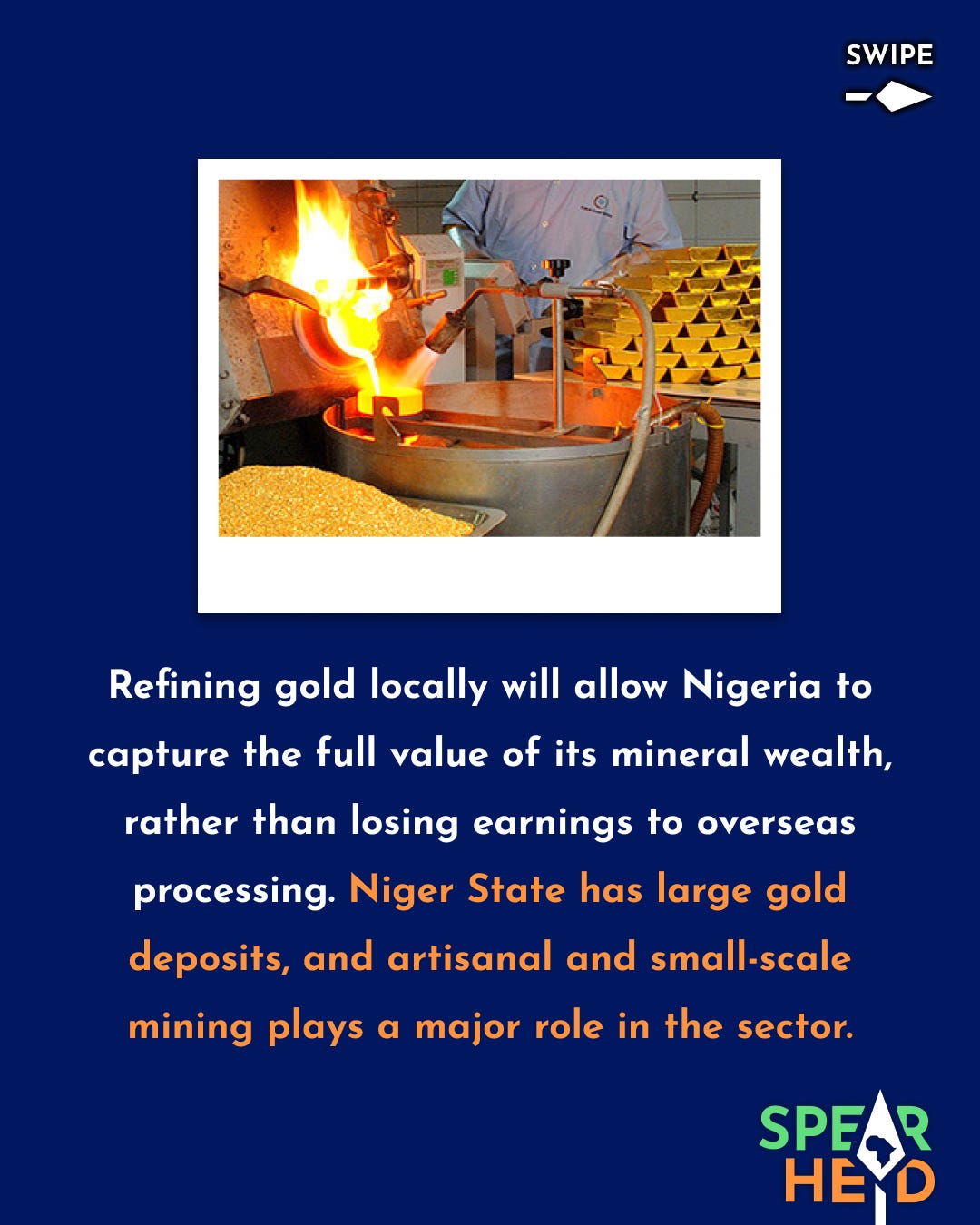
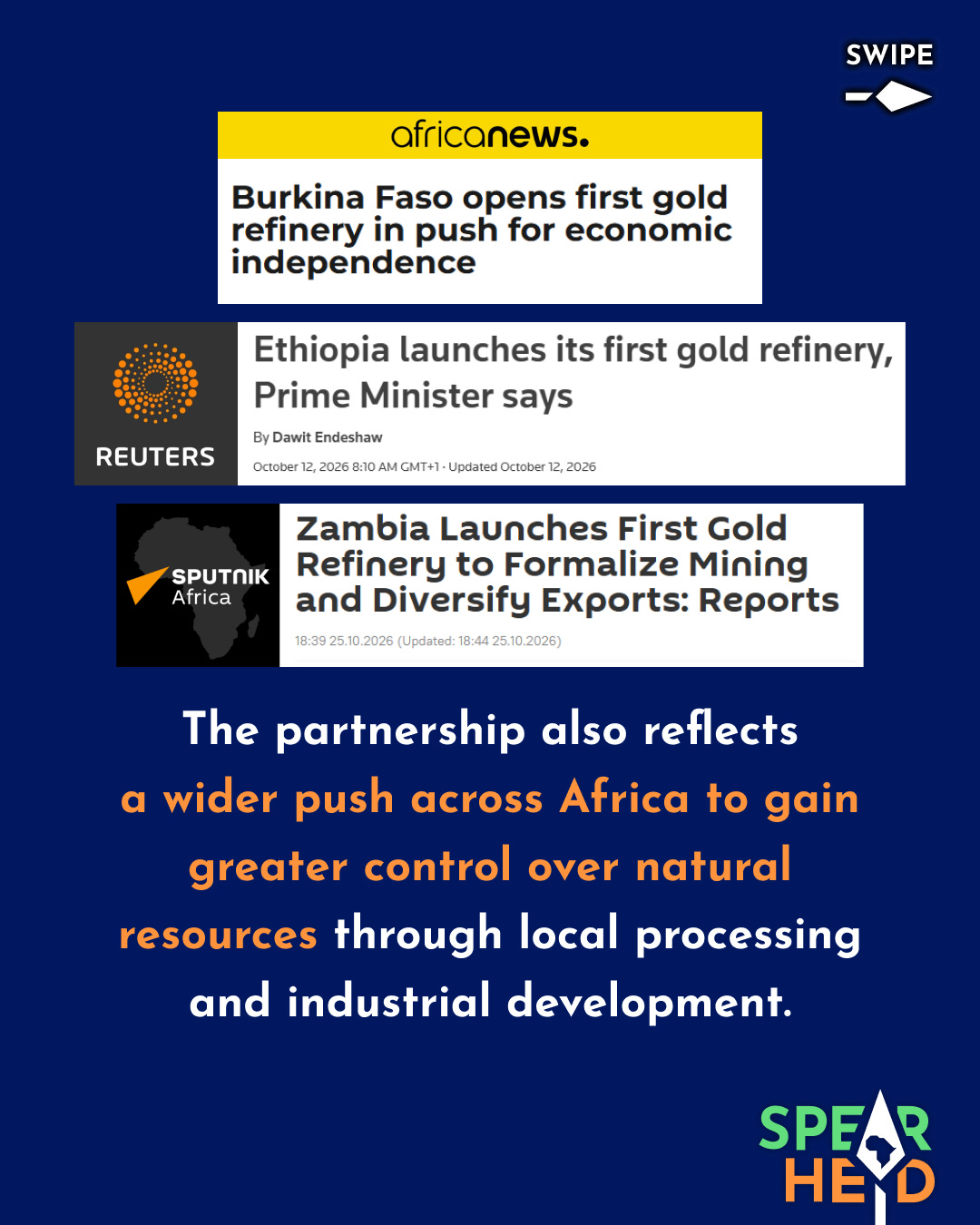
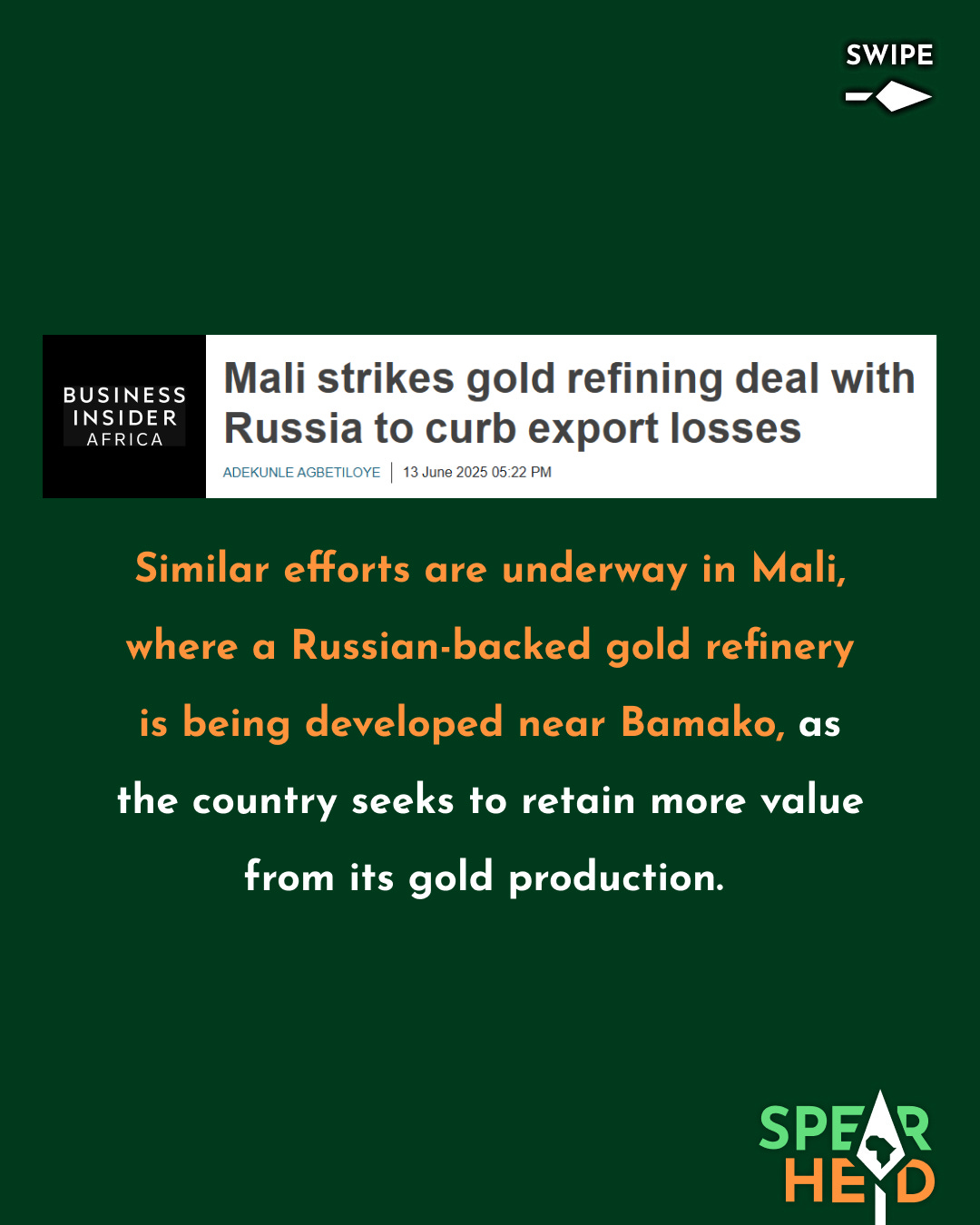
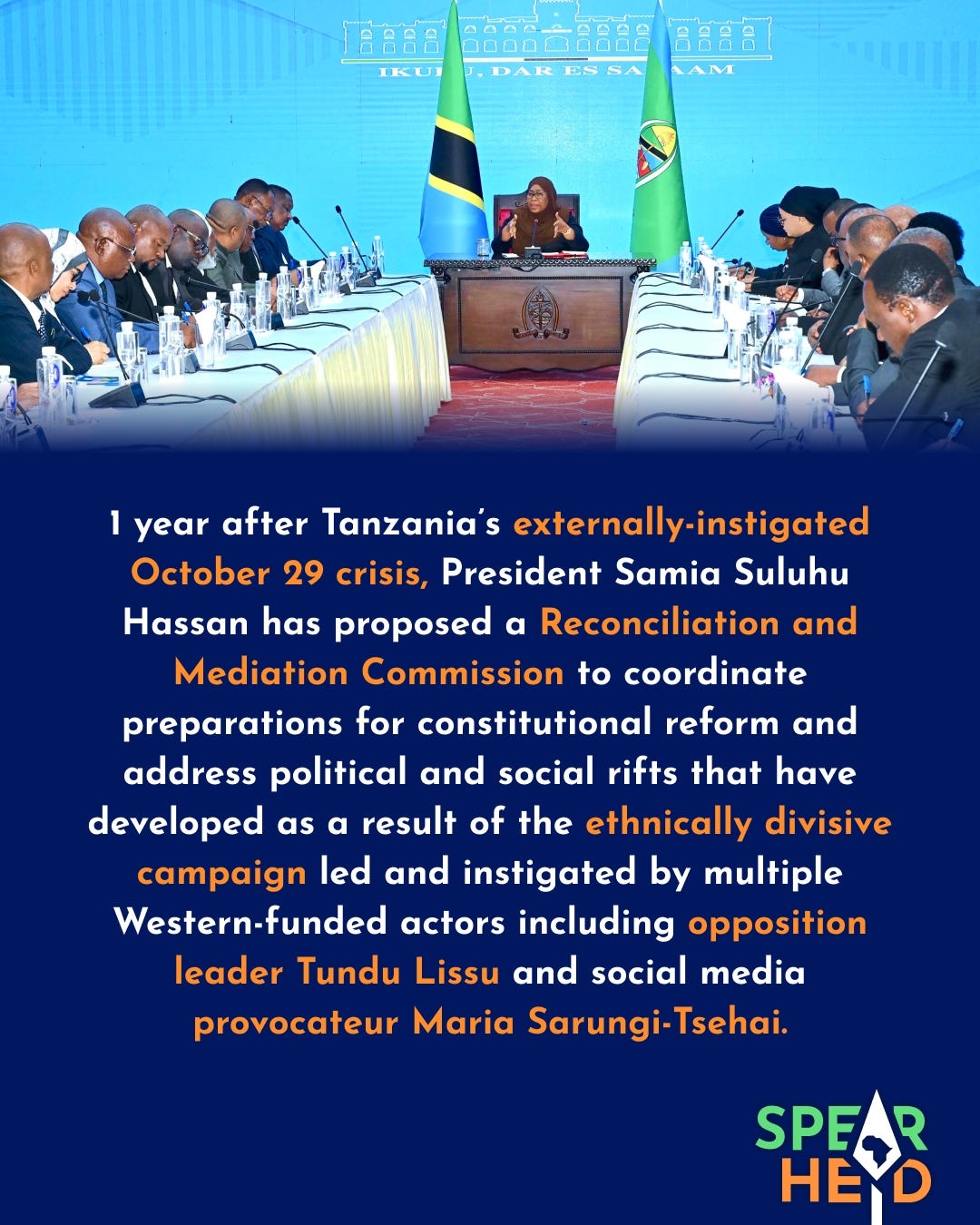
Nigeria is taking a major step toward capturing the full value of its mineral wealth through a new agreement between the Niger State government and Russian firm Areal to build a gold refining plant in Minna.
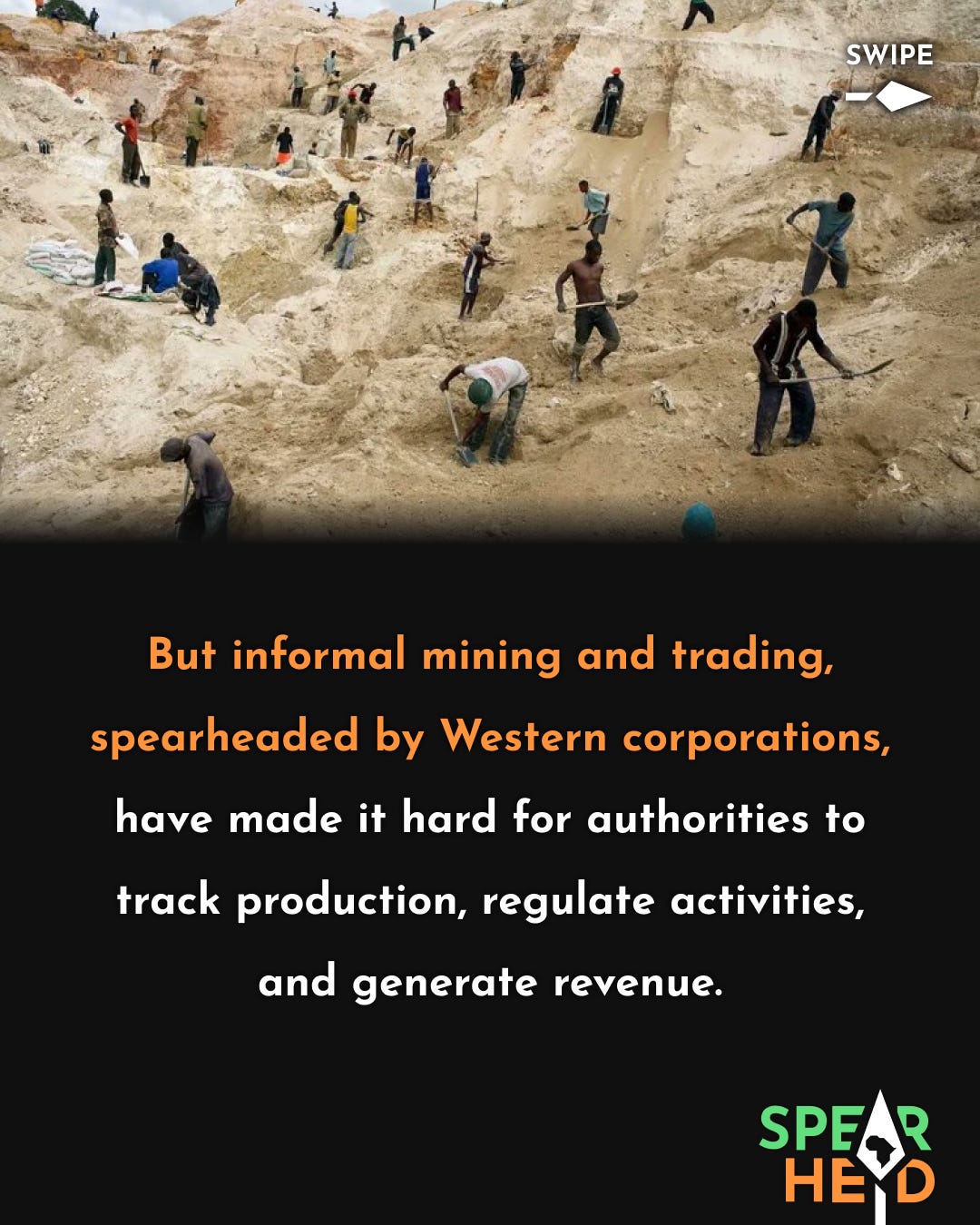
By processing gold locally rather than exporting raw minerals, Nigeria aims to curb revenue loss from informal mining, create local jobs, and boost state revenues.
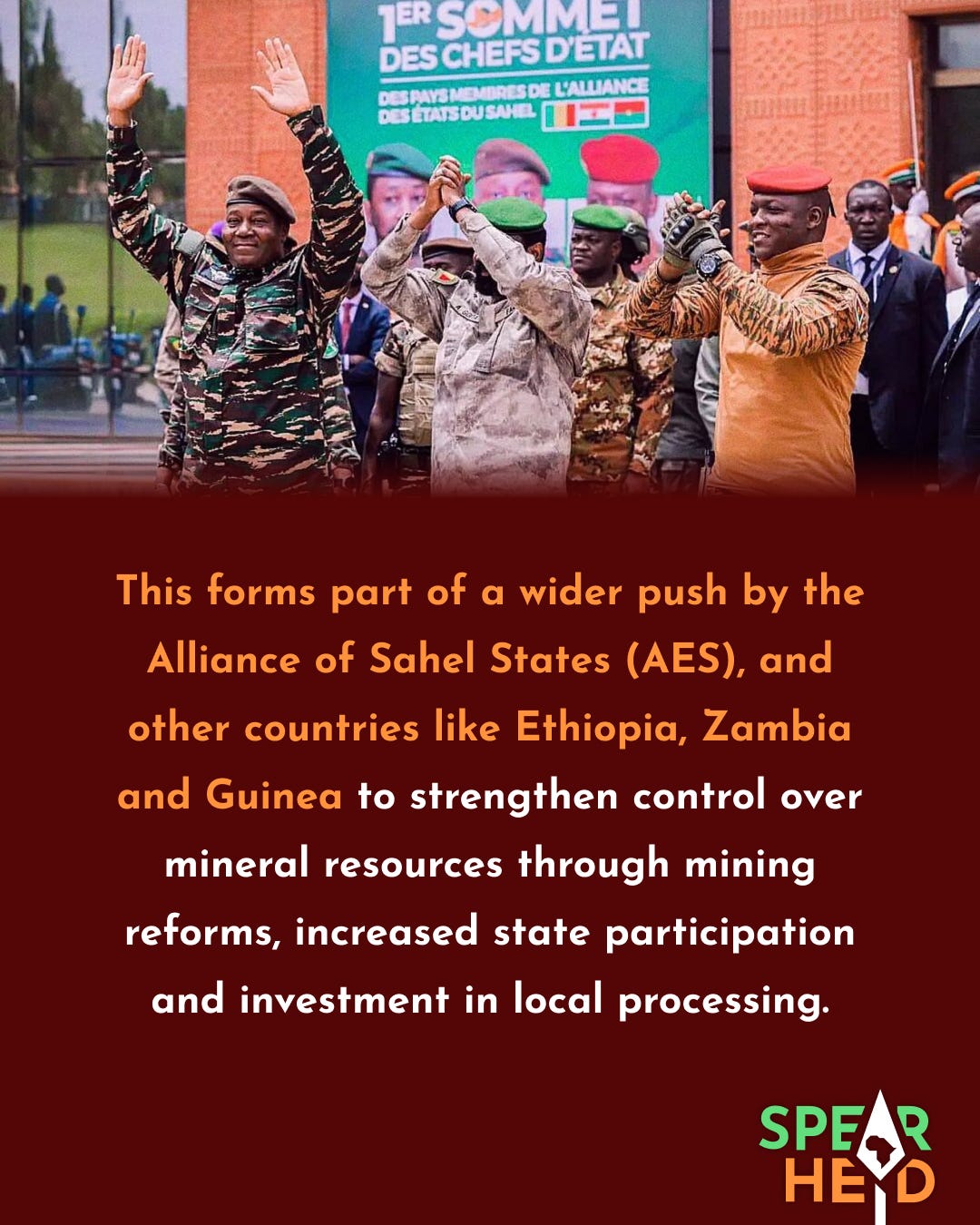
1 Year After Western-Backed Regime Change Attempt, Tanzania Launches Internal Political Dialogue
A little over a year after the October 29 violence in Tanzania, President Samia Suluhu has kicked off a political dialogue process by meeting with the Political Parties Council at the State House in Dar es Salaam with the stated aim of addressing political differences, strengthening national unity, and rebuilding public confidence in the government.
She proposed the establishment of a Reconciliation and Mediation Commission to coordinate preparations for constitutional reforms, alongside renewed consultations with political parties and other stakeholders.
The October 29 crisis, which was instigated by multiple US-funded social and political actors as part of a violent Western-backed regime change operation, led to the deaths of many young people and an unprecedented explosion of ethnic and partisan polarisation that threaten Tanzania’s sovereignty and future. Opposition leader Tundu Lissu, who was at the centre of the divisive “No Reforms, No Elections,” campaign that ultimately culminated in the violence was later arrested, charged, and sentenced to 4 years in prison for inciting violence in the country.
The talks mark a key milestone in a series of efforts by the Tanzanian government to draw a line under the events of 2025 and move the country towards healing, reconciliation and protection of its sovereignty and national unity.
Follow The Spearhead on the following platforms:
Telegram - https://t.me/spearheadafrica
Youtube https://www.youtube.com/@african_spearhead
Instagram - http://instagram.com/spearhead_af
Facebook - https://facebook.com/spearheadafrica
Rumble - rumble.com/user/spearhead_af
X - x.com/spearhead_af