


The United States is loaning $100 million to Africell, Africa’s only American-owned telecoms operator, in a direct strategic move to counter China’s Huawei across the continent. Under the agreement, Africell will invest in U.S. and allied network technology while explicitly excluding cheaper Huawei infrastructure.
This loan shows a growing geopolitical contest over critical data networks and national security assets. For African nations, the challenge remains ensuring this competition builds genuine local ownership.
Lee Kuan Yew: I Speak English, But Never Adopted Western Individualism
Some credit Lee Kuan Yew (1923-2015) for using social programming, economic and urban development, and limited civil liberties to rapidly raise Singaporeans’ standard of living, leading many to dub the city-state as one of the Asian Tigers in the mid- to late-20th century.
Here, Yew makes clear he would never mistake himself for an Englishman even though he speaks the language. Indeed, pluralistic Singapore has four official languages: English, Malay, Mandarin Chinese and Tamil.
Can we say the same for Africans who speak English? Or French? Do they see themselves as Africans or Europeans? Drop us a comment.
Video credit: National Archives of Singapore
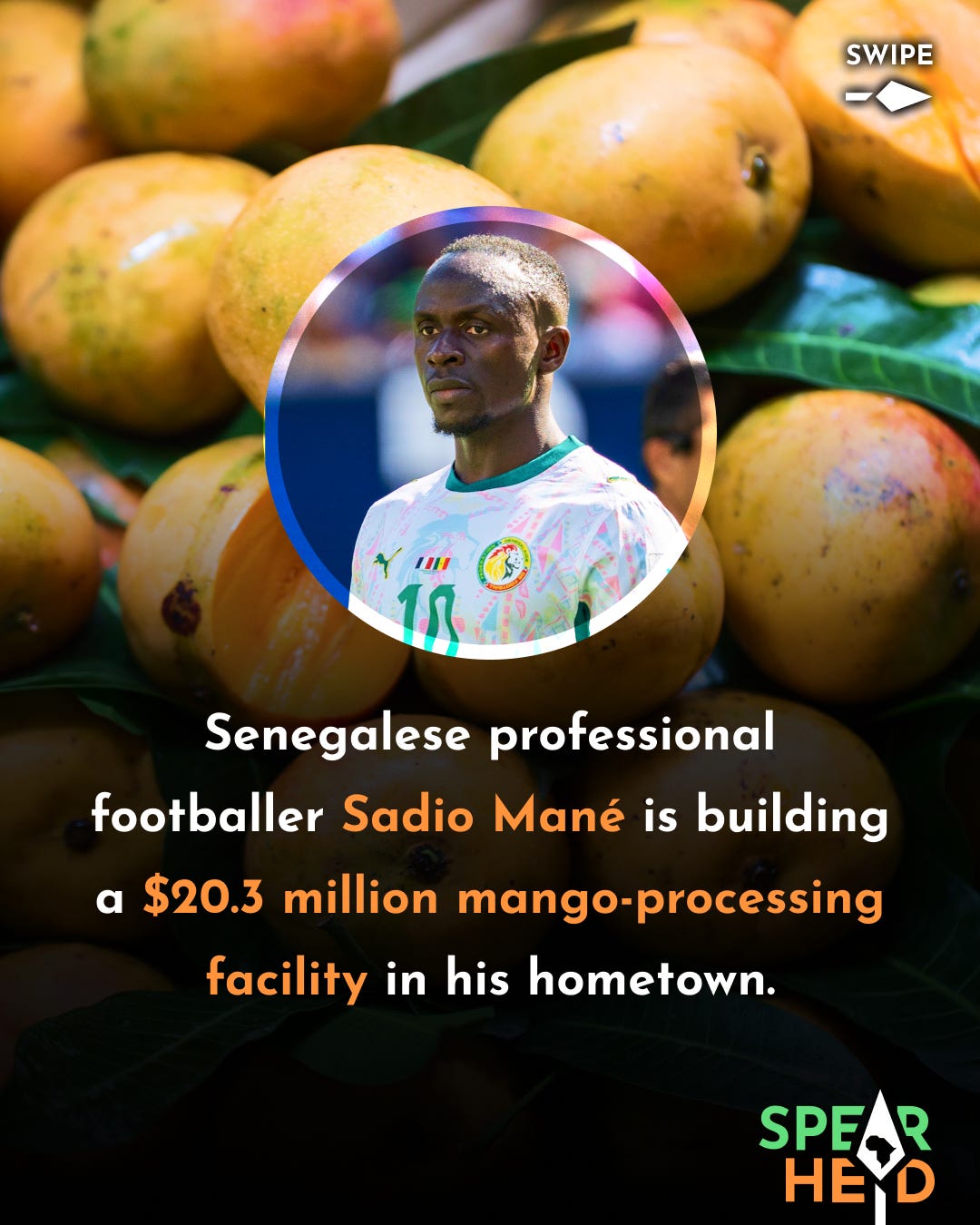
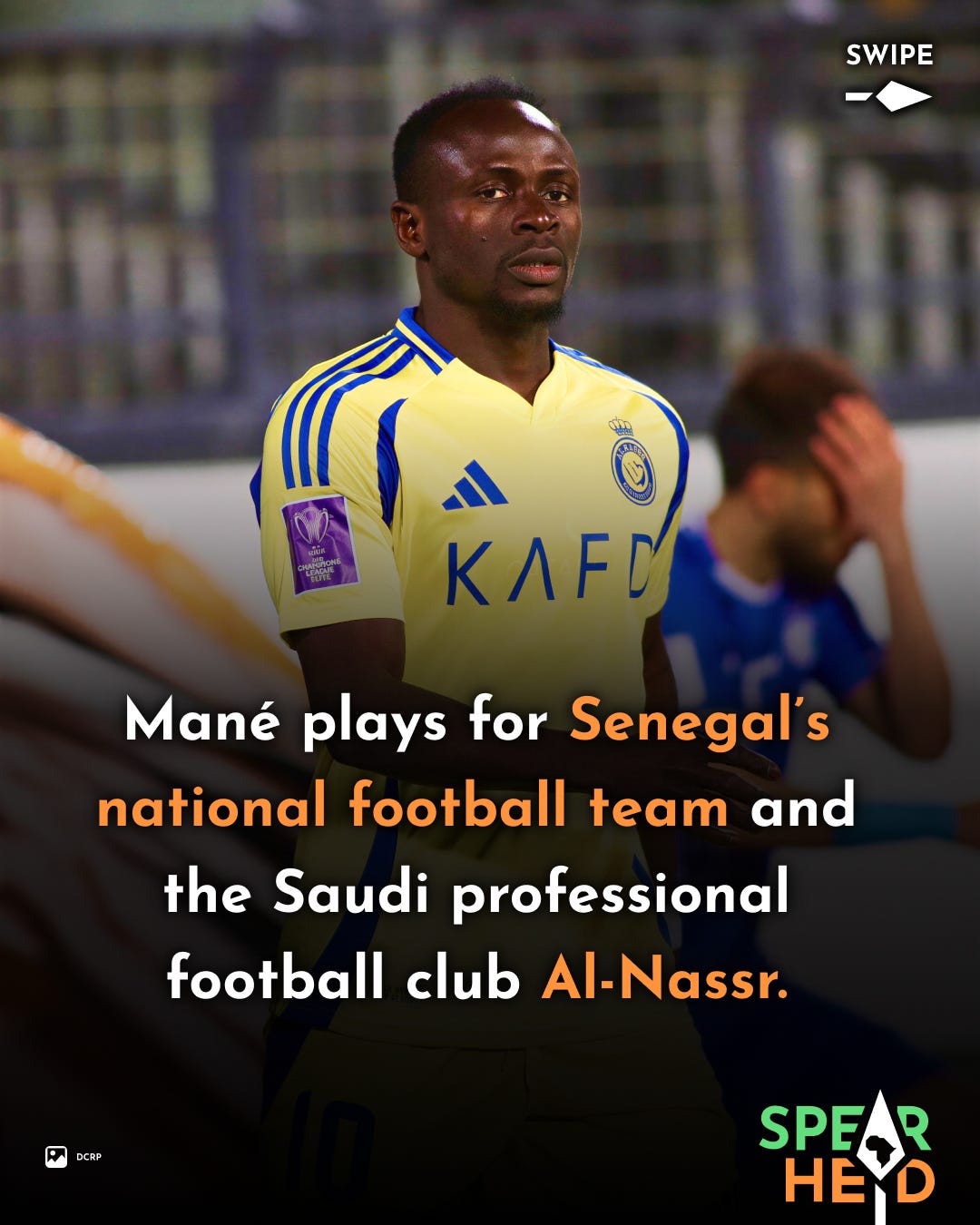
Senegalese Footballer Sadio Mané Invests $20.3 Million In His Country’s Food Sector
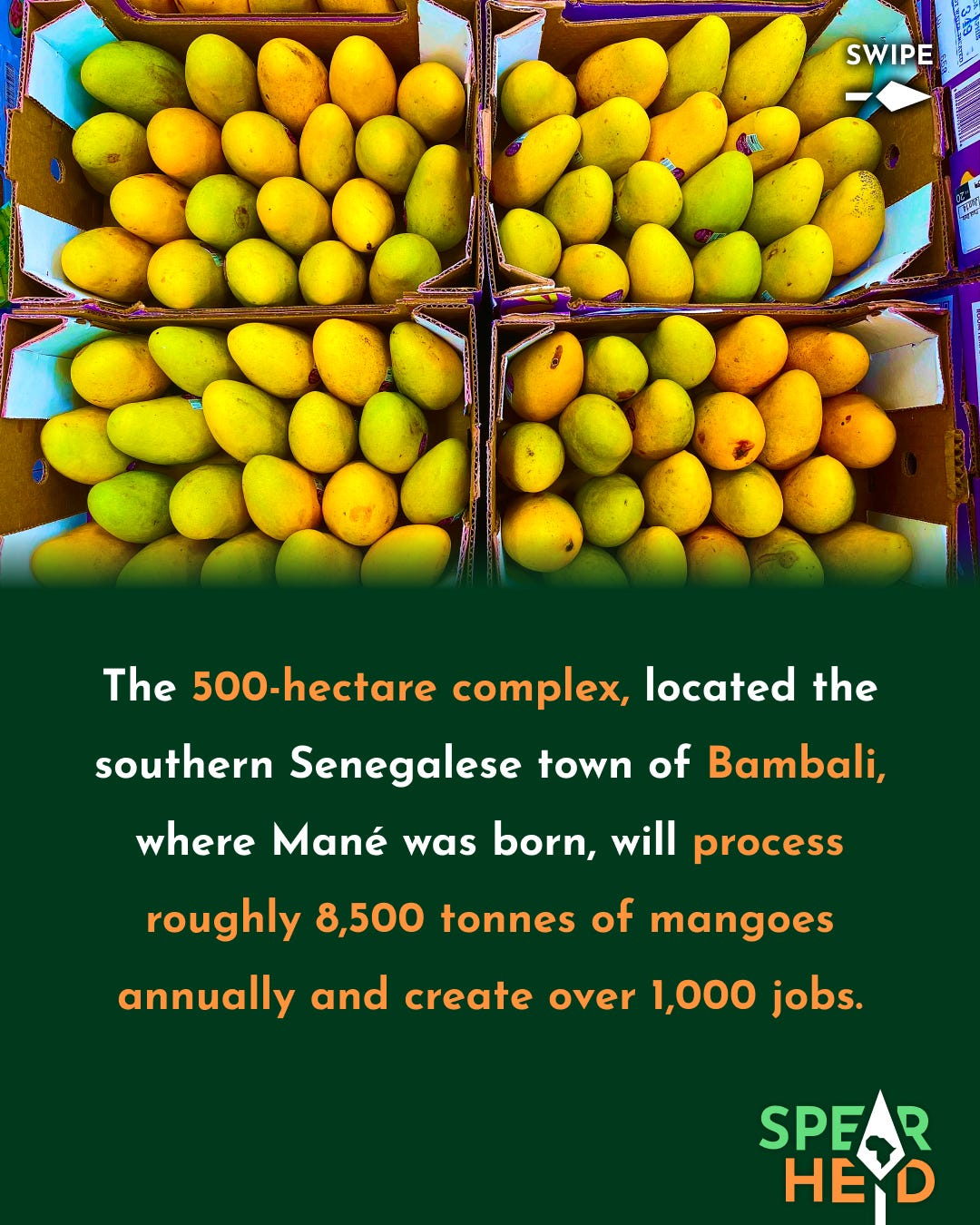
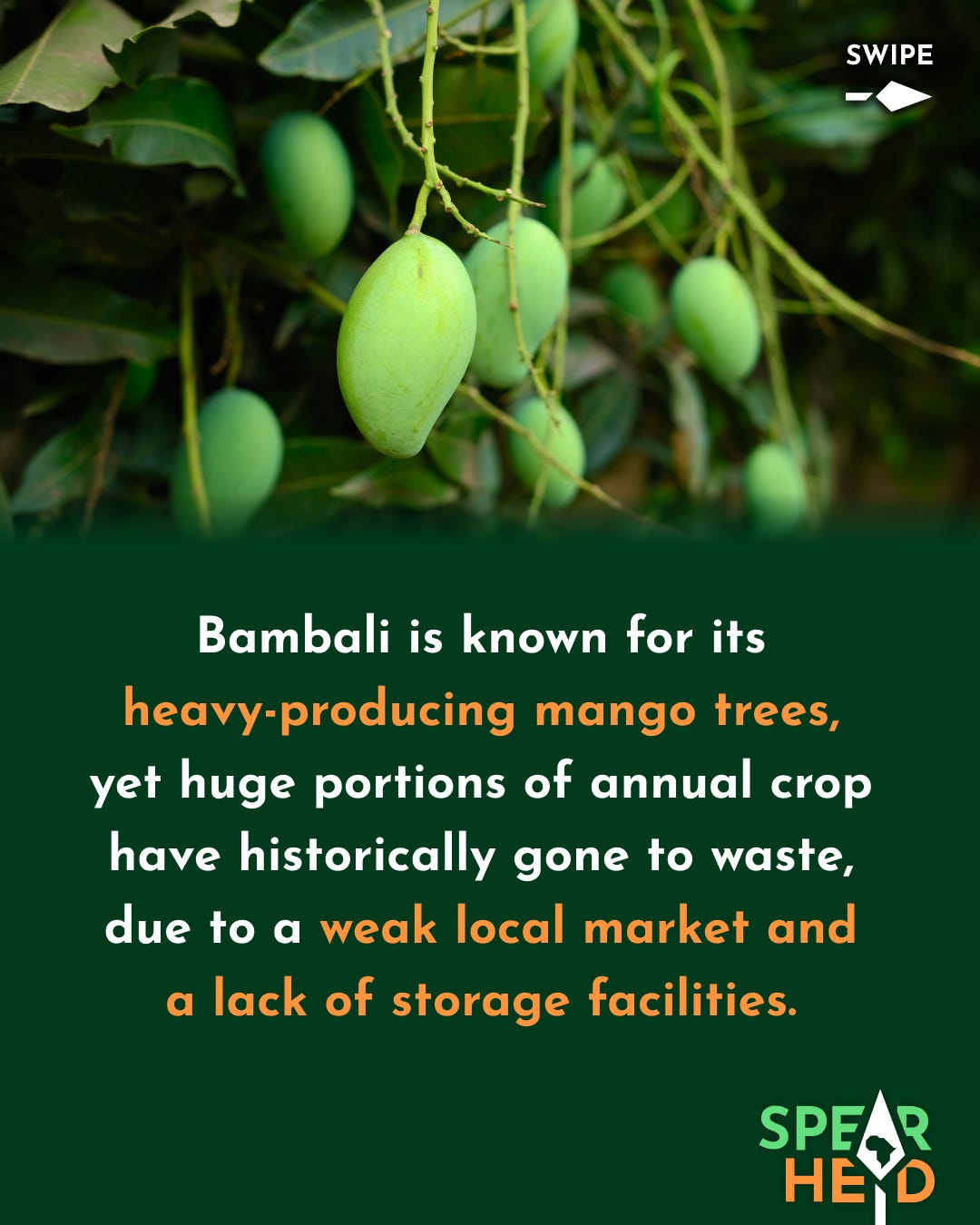
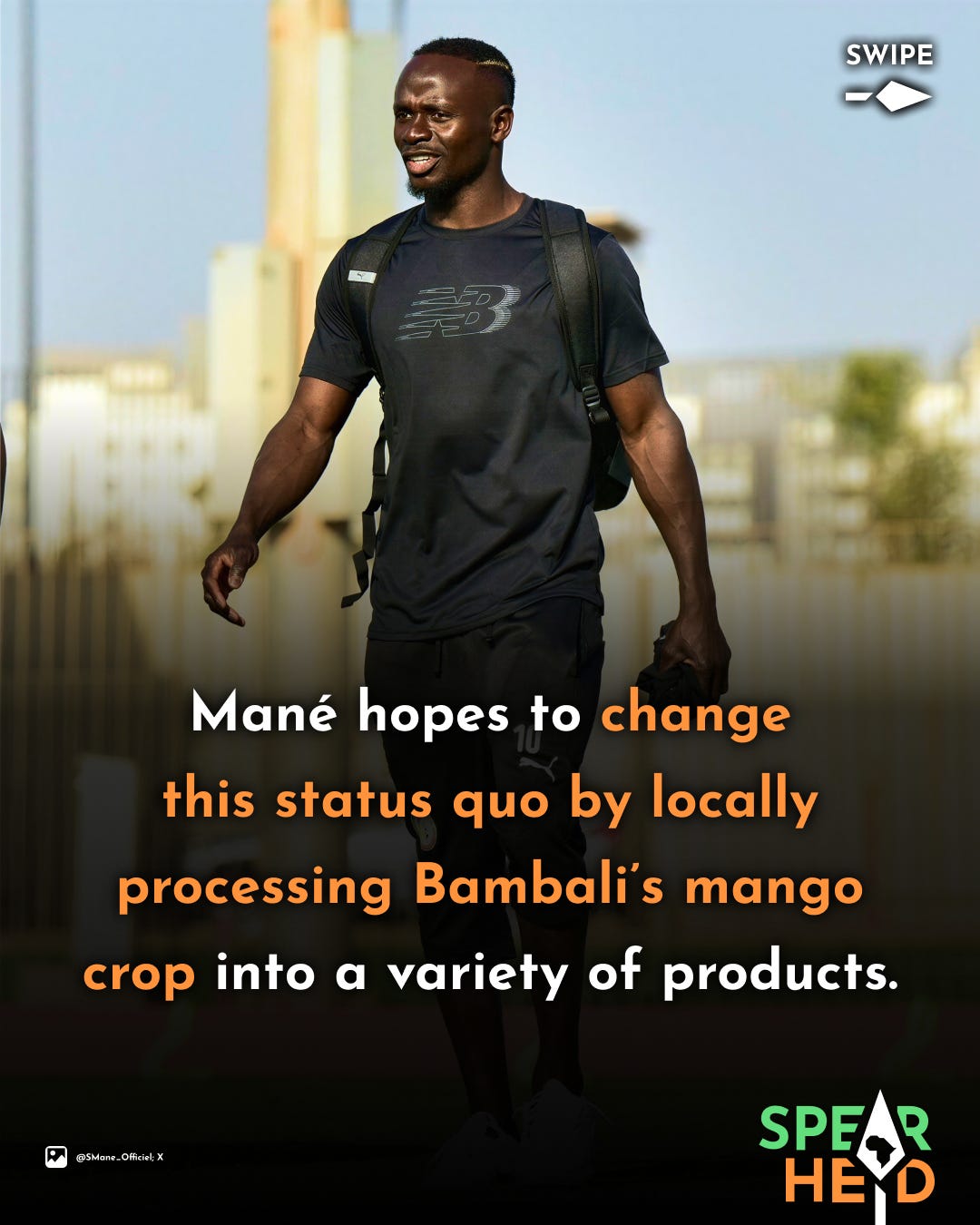
Senegalese professional footballer Sadio Mané is investing $20.3 million of his own money to build a 500-hectare mango-processing facility in his birth town of Bambali.
For the people of Bambali, this investment by one of their own signifies economic growth and better standards of living.
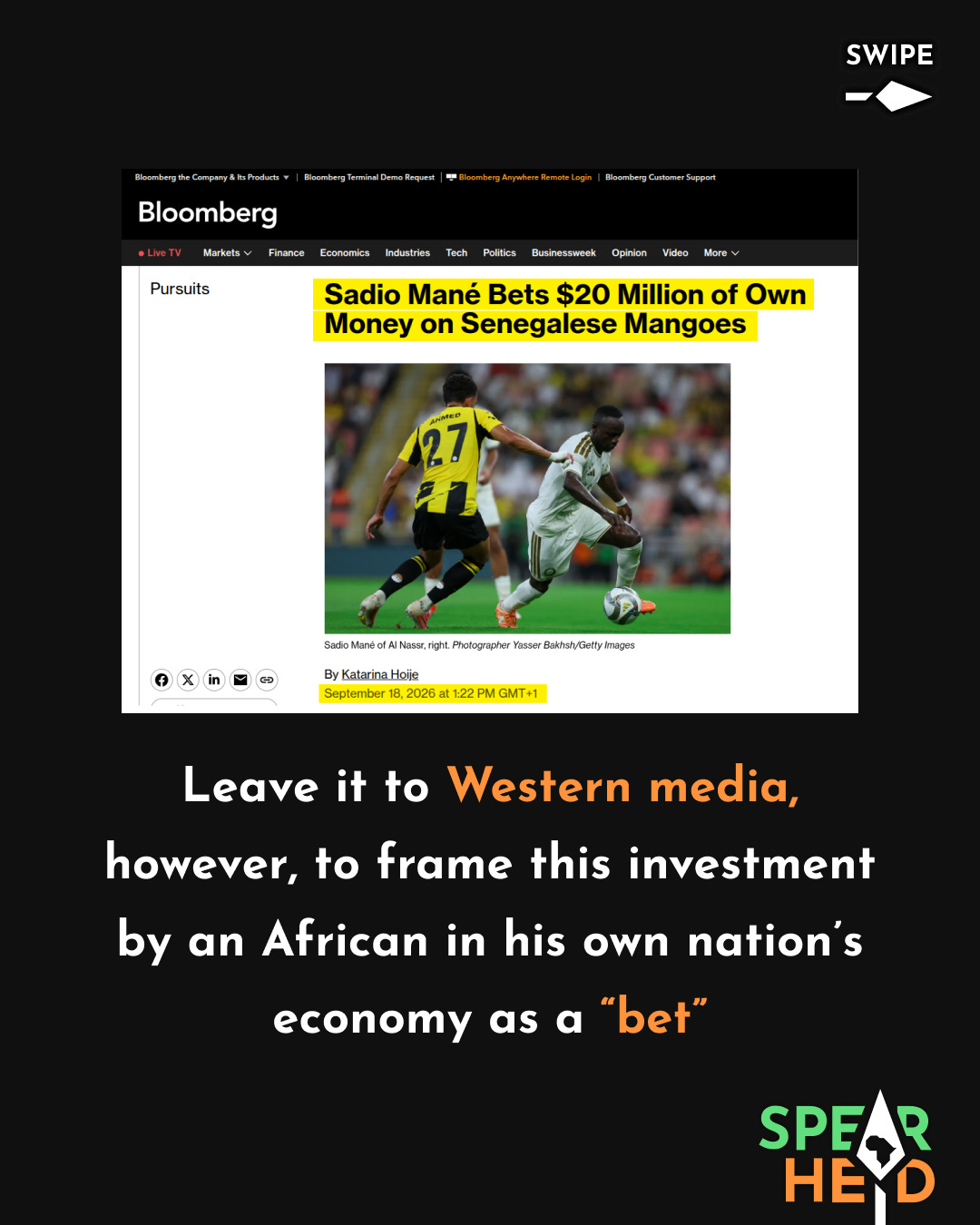
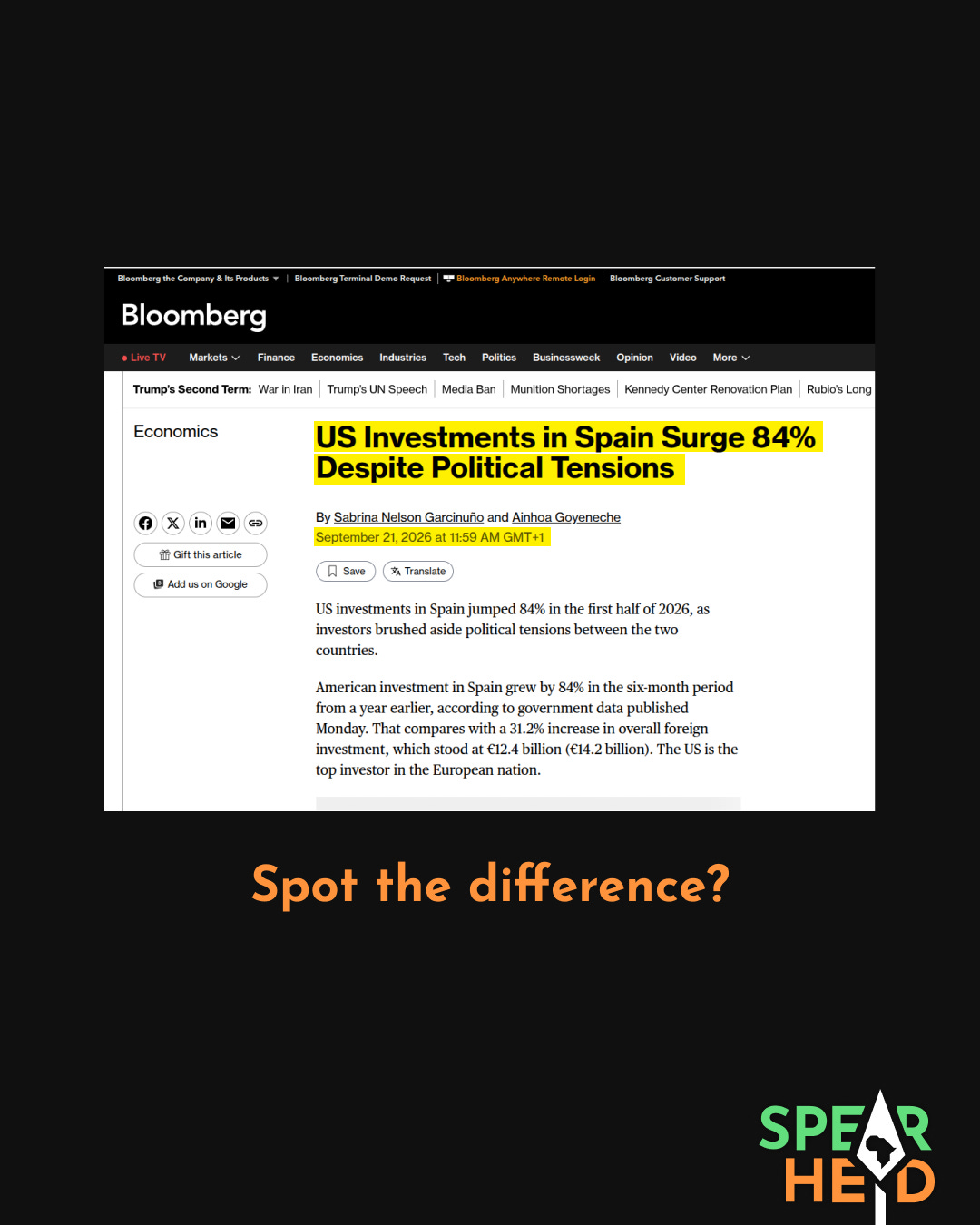
But leave it entirely to Western media to derogatorily frame this historic investment as a “bet on mangoes”.
Ghana’s Rising Gold Sector Inspires Other African Nations
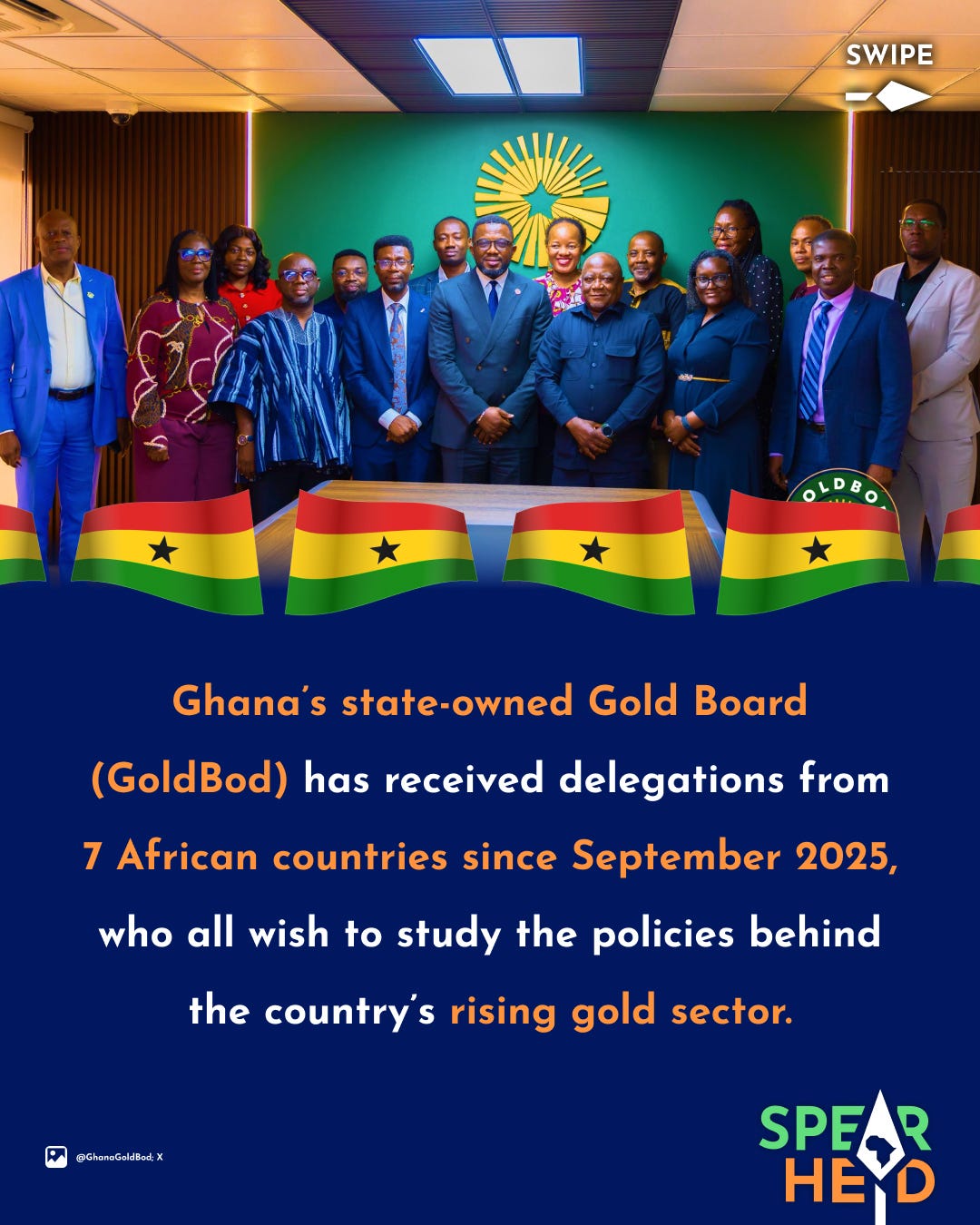
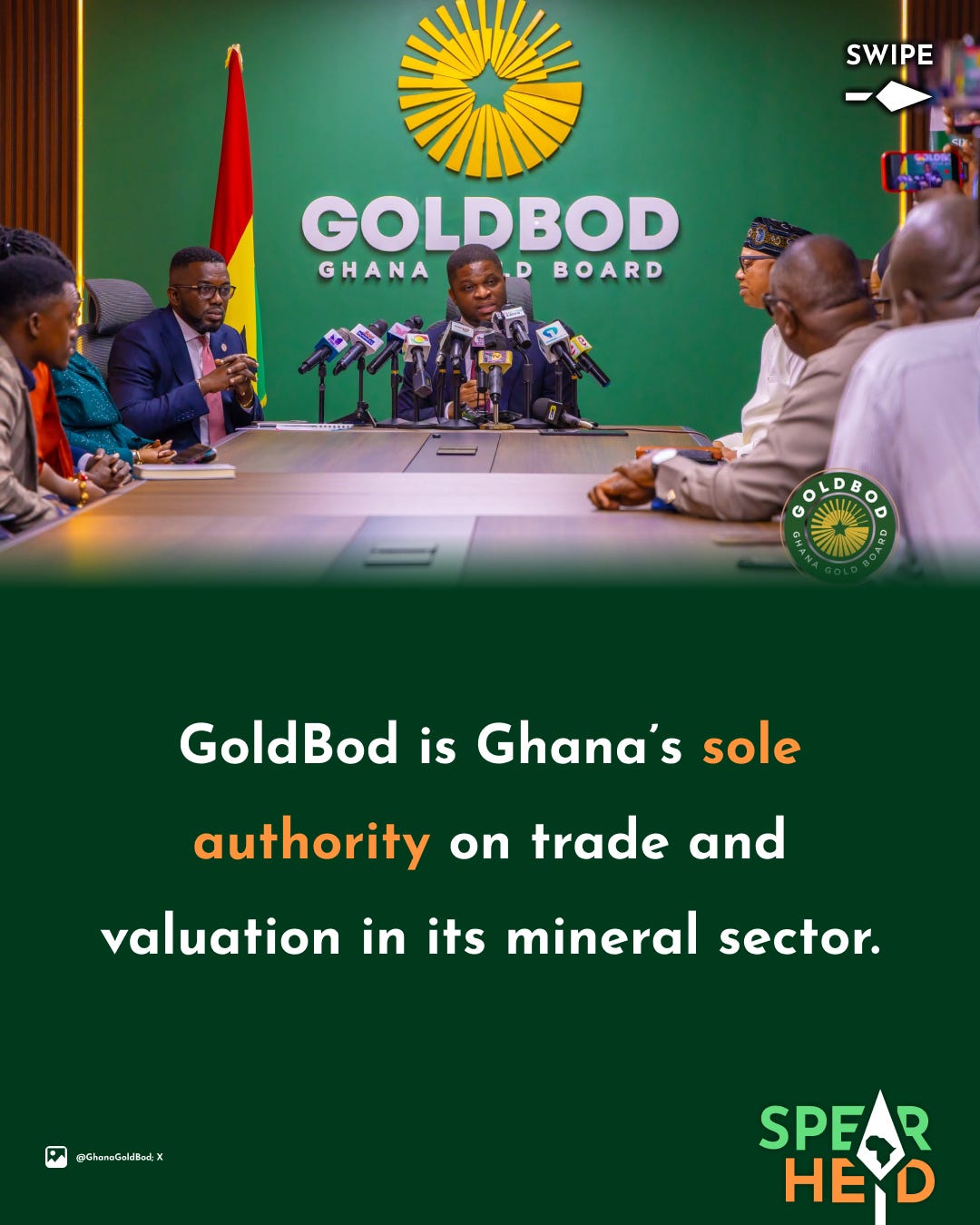
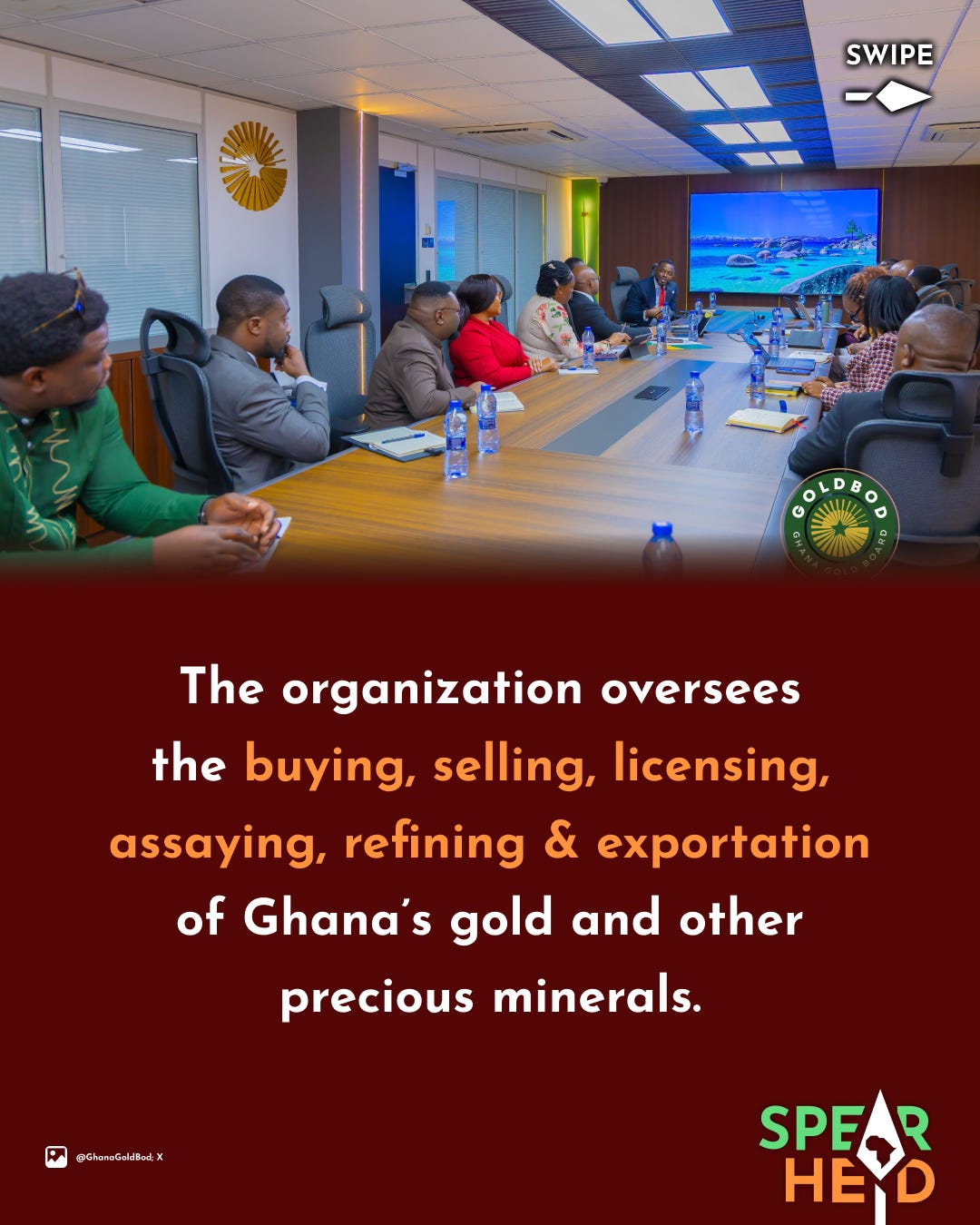
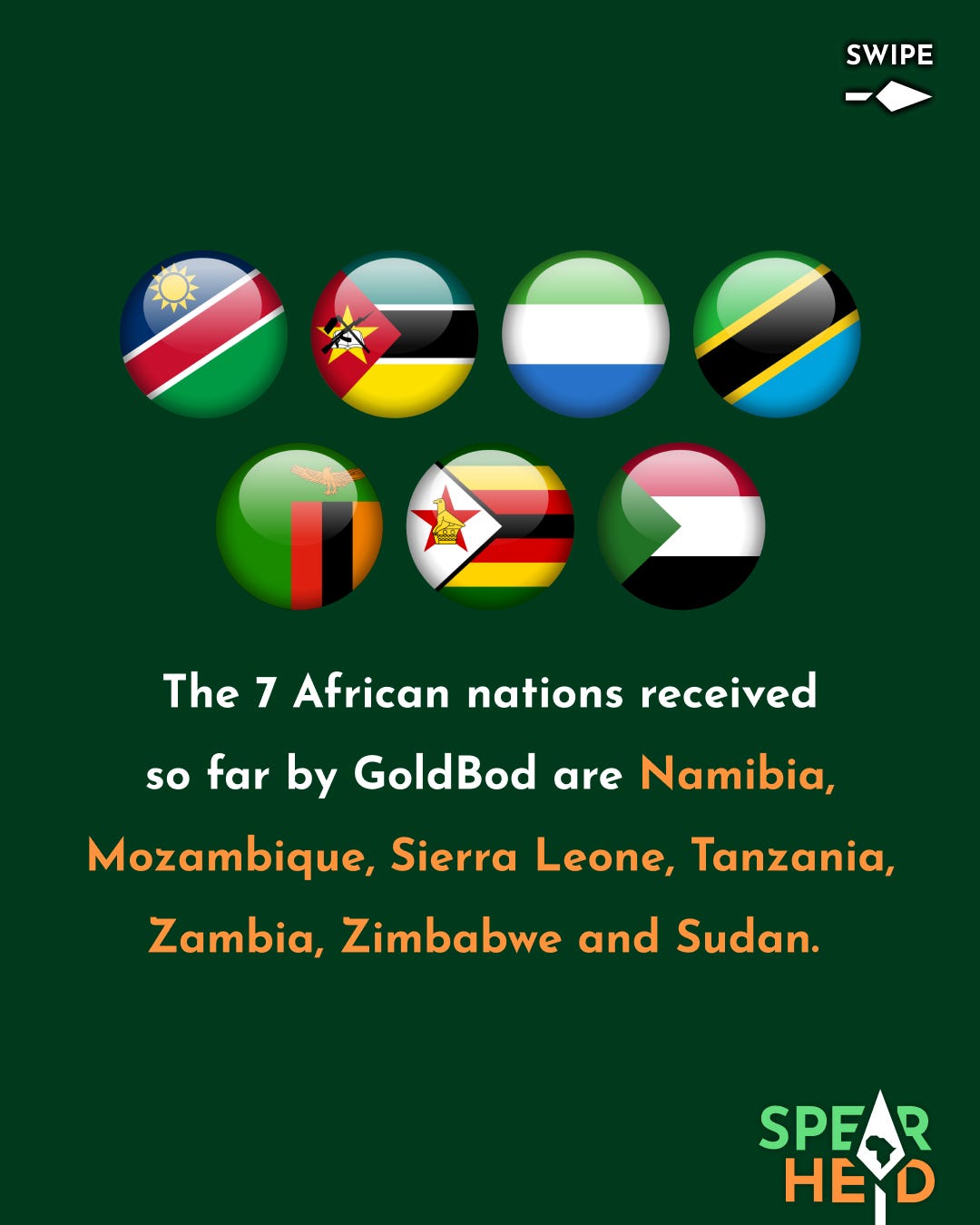
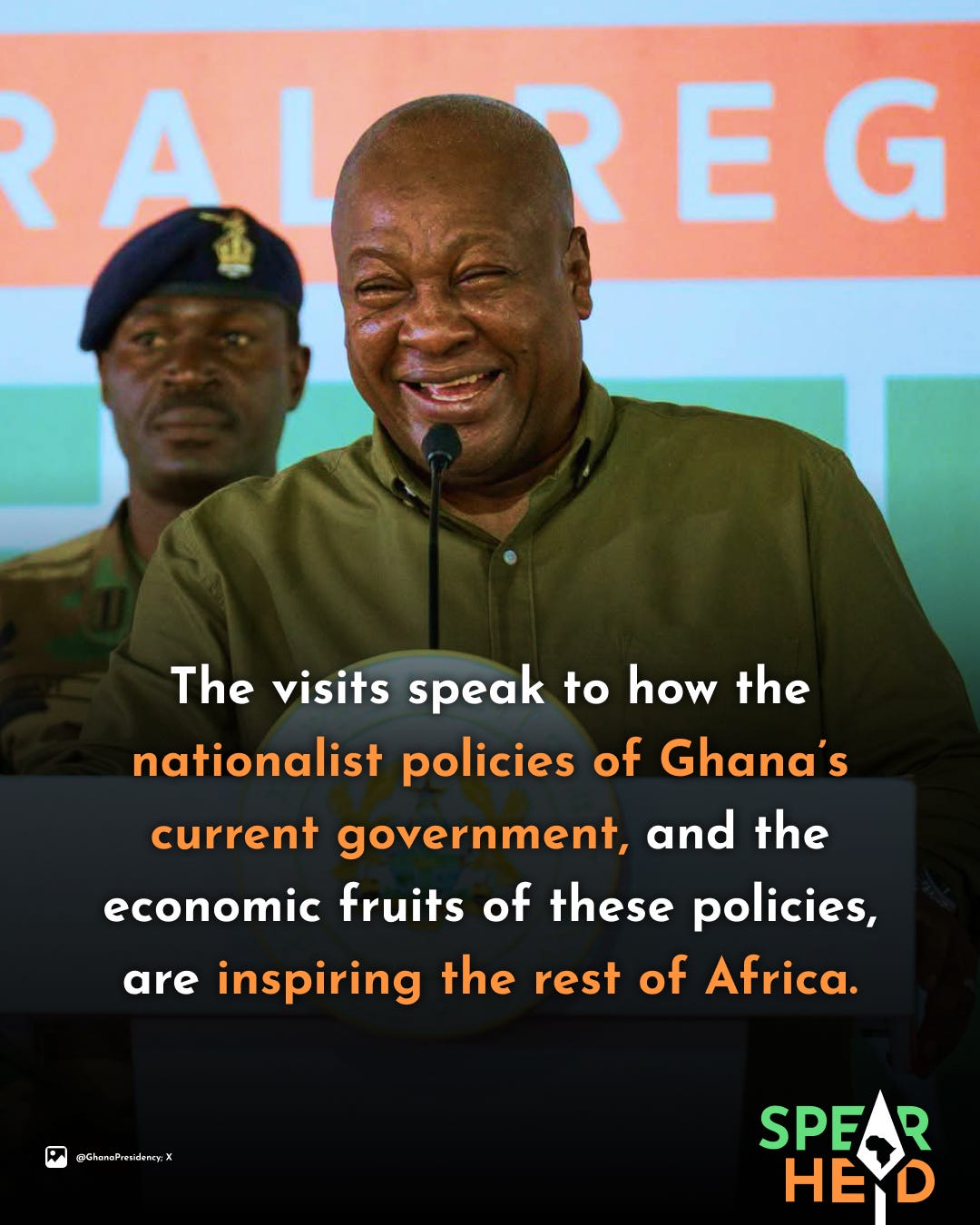
Ghana continues to inspire the rest of Africa with its upward economic rise, under its current, nationalist leadership. The country has moved towards greater state control and ownership of its minerals sector, and its state-owned Gold Board (GoldBod) has received representatives from seven other African countries since September last year, all seeking to learn from its policies.
Africans would do well to take note, and question the myth of “privatization” that has been relentlessly pushed on their nations for decades by the West, yet never improved their collective standards of living.
David Hundeyin: Africans Don’t Recognise Neo-C*lonialism When It Appears In Blackface
In a recent conversation with former Black Panther Party New York chapter leader Dhoruba bin Wahad and @blackpowermedi co-founder Kalonji Changa, The Spearhead founder @davidhundeyin revealed that he made it his mission in 2023 to show Africans that their current leaders are merely pin-ups who do not actually control the continent.
Hundeyin’s previous news outlet, West Africa Weekly, regularly reported on how the US state and US corporations wield vast amounts of power across Africa without needing to physically set foot on the continent (with the notable exception of the US Africa Command [AFRICOM]). We’ve continued that insurgent tradition at The Spearhead since 2025.
What will it take for Africans to take back power?
Video credit: @blackpowermediareloaded (YouTube)
Follow The Spearhead on the following platforms:
TikTok - http://tiktok.com/@spearhead_af
Youtube - https://www.youtube.com/@african_spearhead
Instagram - http://instagram.com/spearhead_af
Facebook - https://facebook.com/spearheadafrica
Rumble - rumble.com/user/spearhead_af
X - x.com/spearhead_af
America is lending $100 million to an American-owned telecom company to reduce China’s influence over African networks. Cool.
But here’s my question as an Afrofuturist and Enterprise Systems Architect:
When does Africa graduate from being the battlefield for somebody else’s technological sovereignty to architecting its own?