

Did you know that the West destroyed one of the largest water infrastructure projects ever attempted in human history, just to punish the sovereign African country that created this project?
In this report for the Spearhead, Uche Okorie sheds light on Libya’s fabled and tragically ill-fated Great Man-made River Project (GMRP), a project that could have sustained Libya’s water supply into the distant future, and transformed the wider Saharan and Sahelian regions of Africa, geologically and economically, for the better, had NATO not carried out its illegal invasion of Libya in 2011 and murdered its popular, revolutionary leader Muammar Gaddafi.
Mahdi Shehu on 1995 U.S.-Backed Plot Against Abacha
Mahdi Shehu’s account of the 1995 Durbar Hotel bombing speaks to foreign interference, regime change politics, and the hidden hands that have shaped Nigeria’s political history.
According to Shehu, a U.S. Embassy political officer approached him in Kaduna, offered him money, and asked him to drop a parcel at the Durbar Hotel as part of what he described as a campaign against the Abacha government. Shehu says he refused, only for the hotel to be bombed shortly after, with journalist Bagauda Kaltho later linked to the incident.
This story forces a larger question: how many times has Nigeria’s instability been engineered, sponsored, or encouraged by foreign powers, only to be later presented to us as our own failure? This is why Africans must pay closer attention to the history we are told, the history that is hidden, and the people who benefit from our chaos.
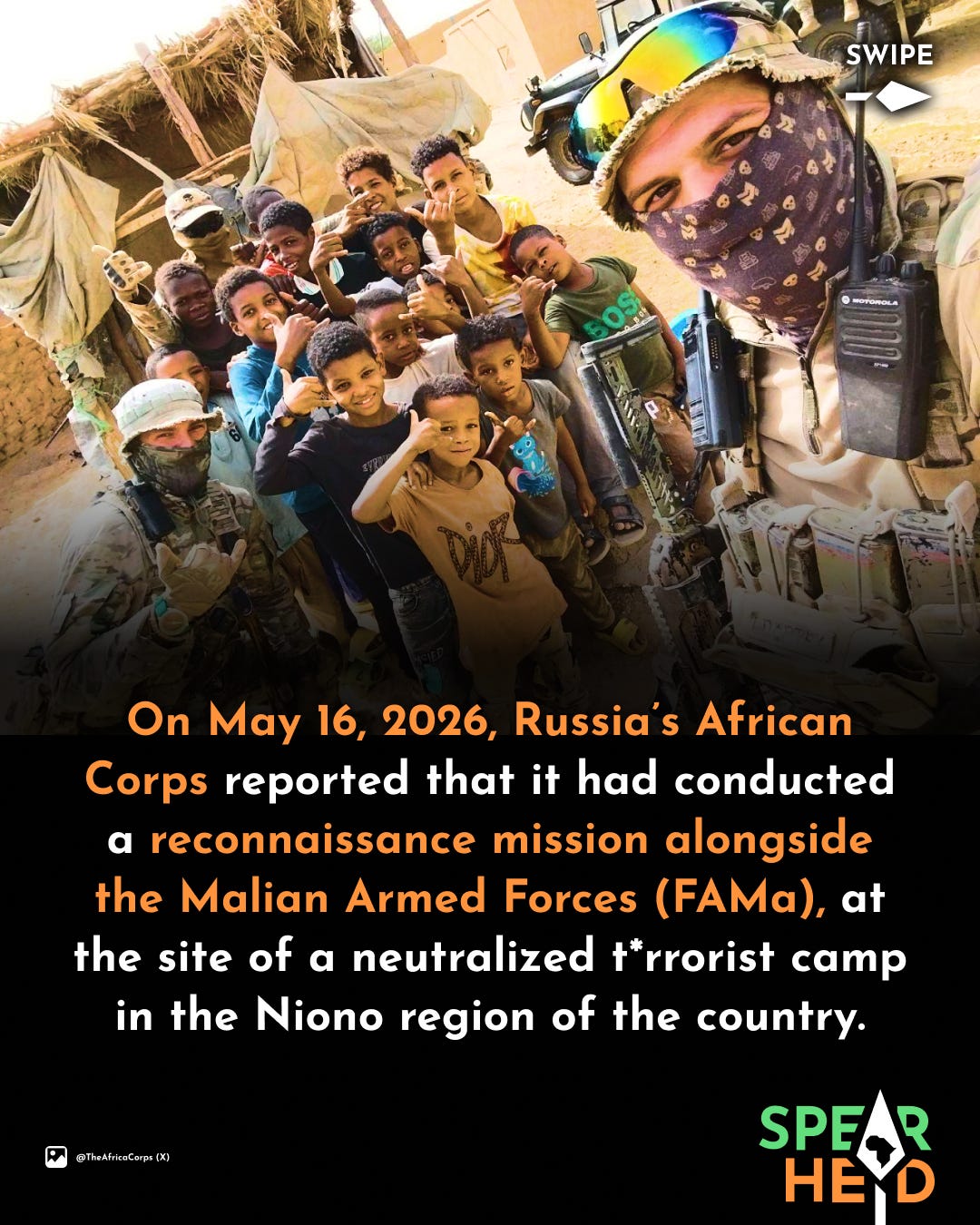
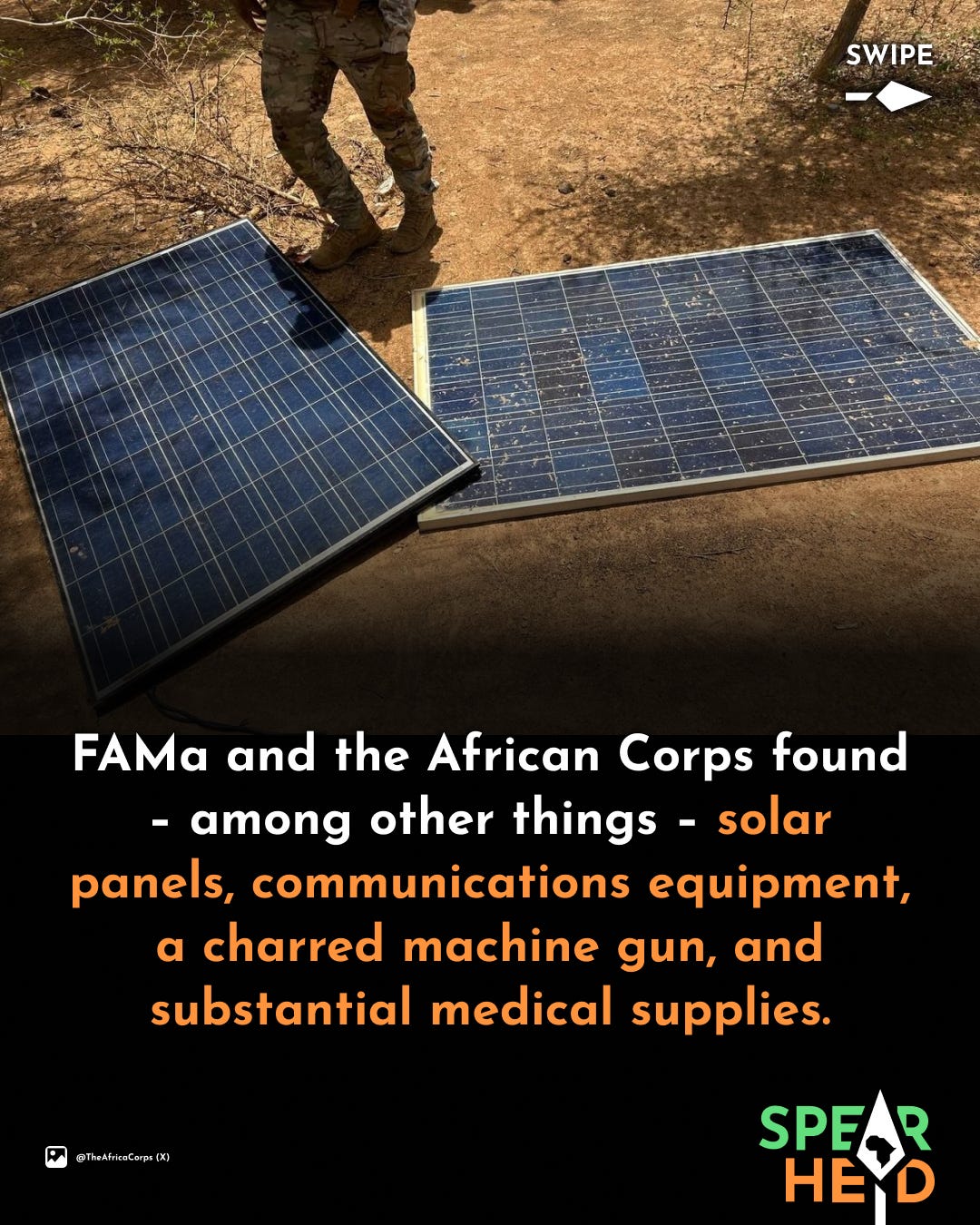
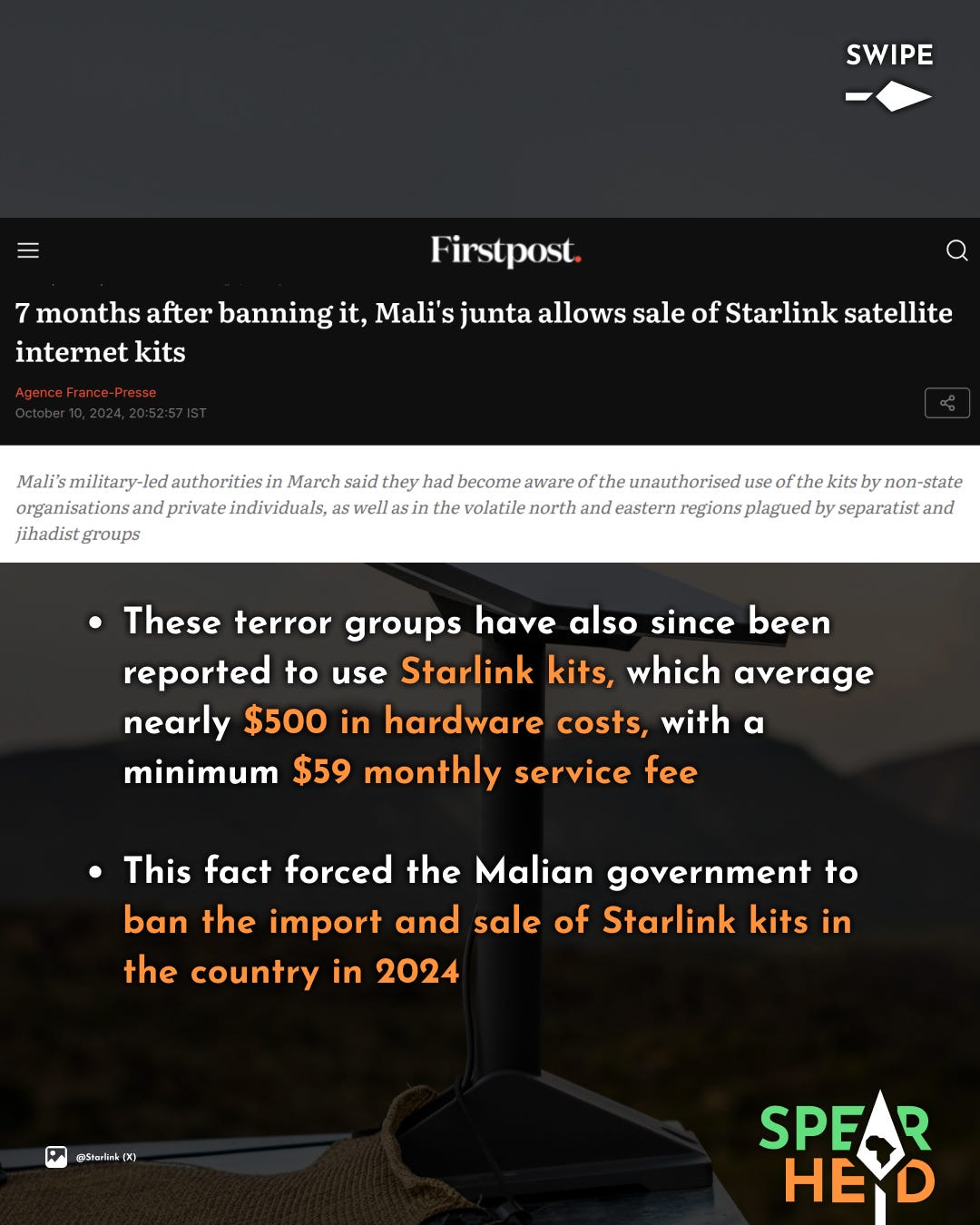
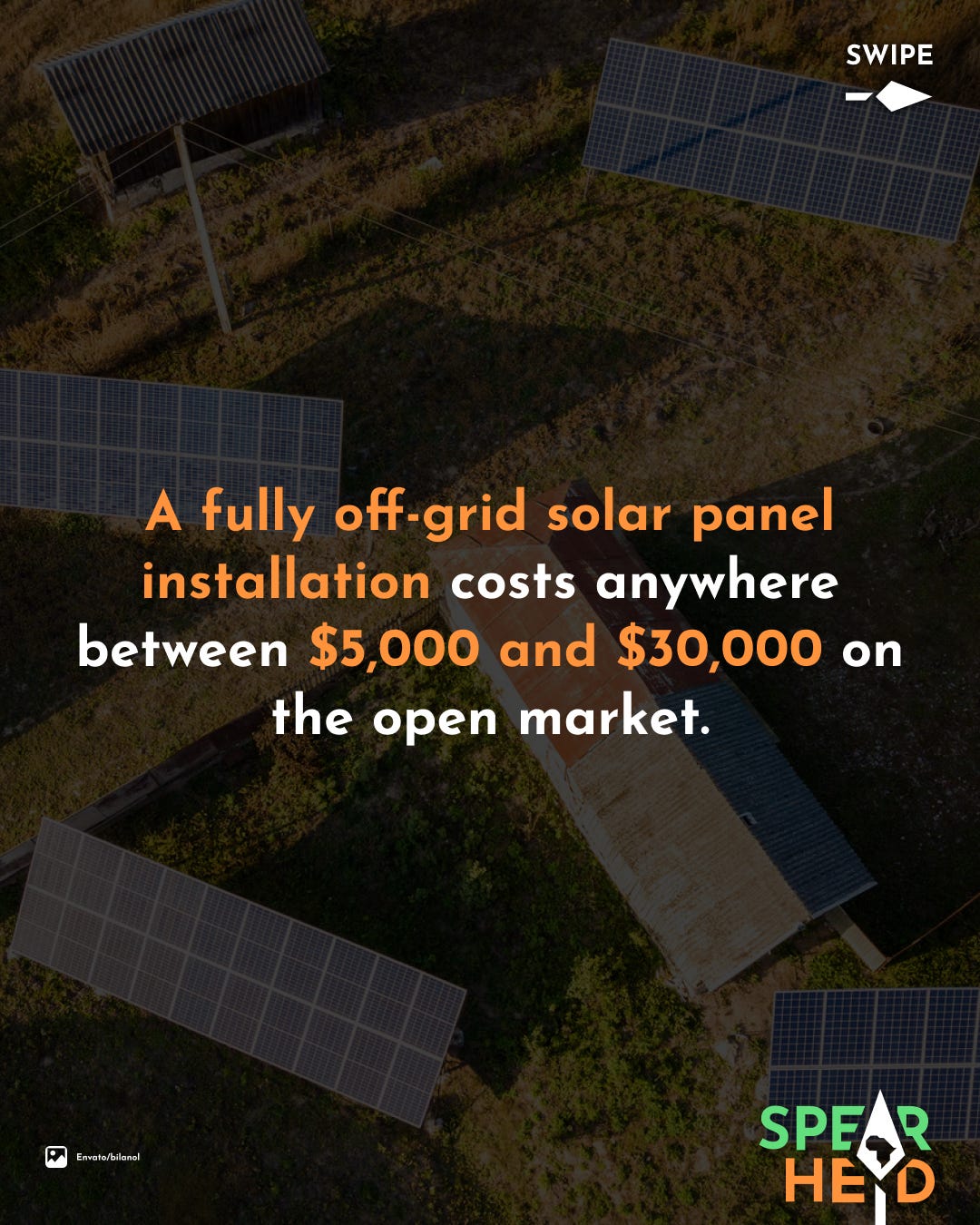
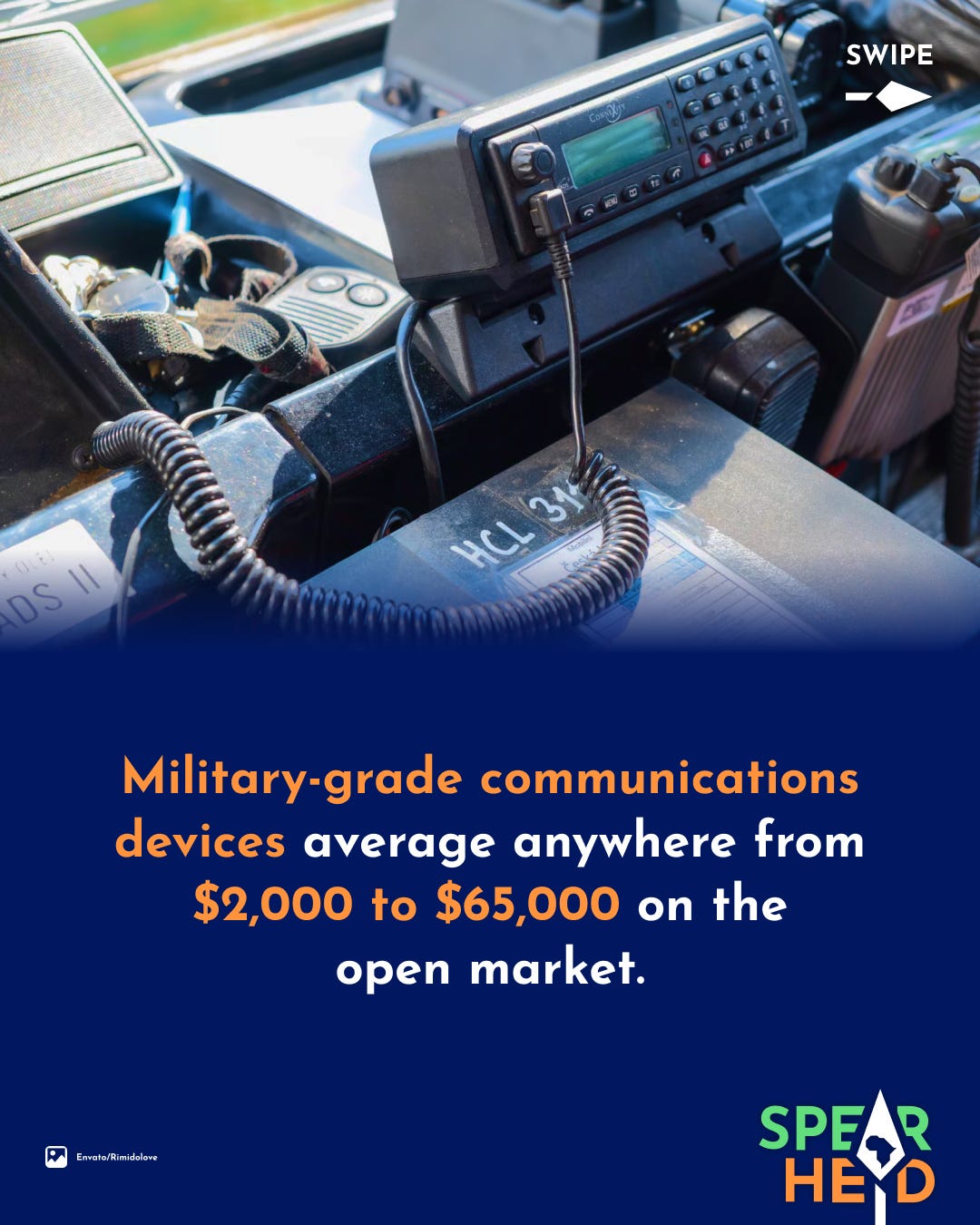
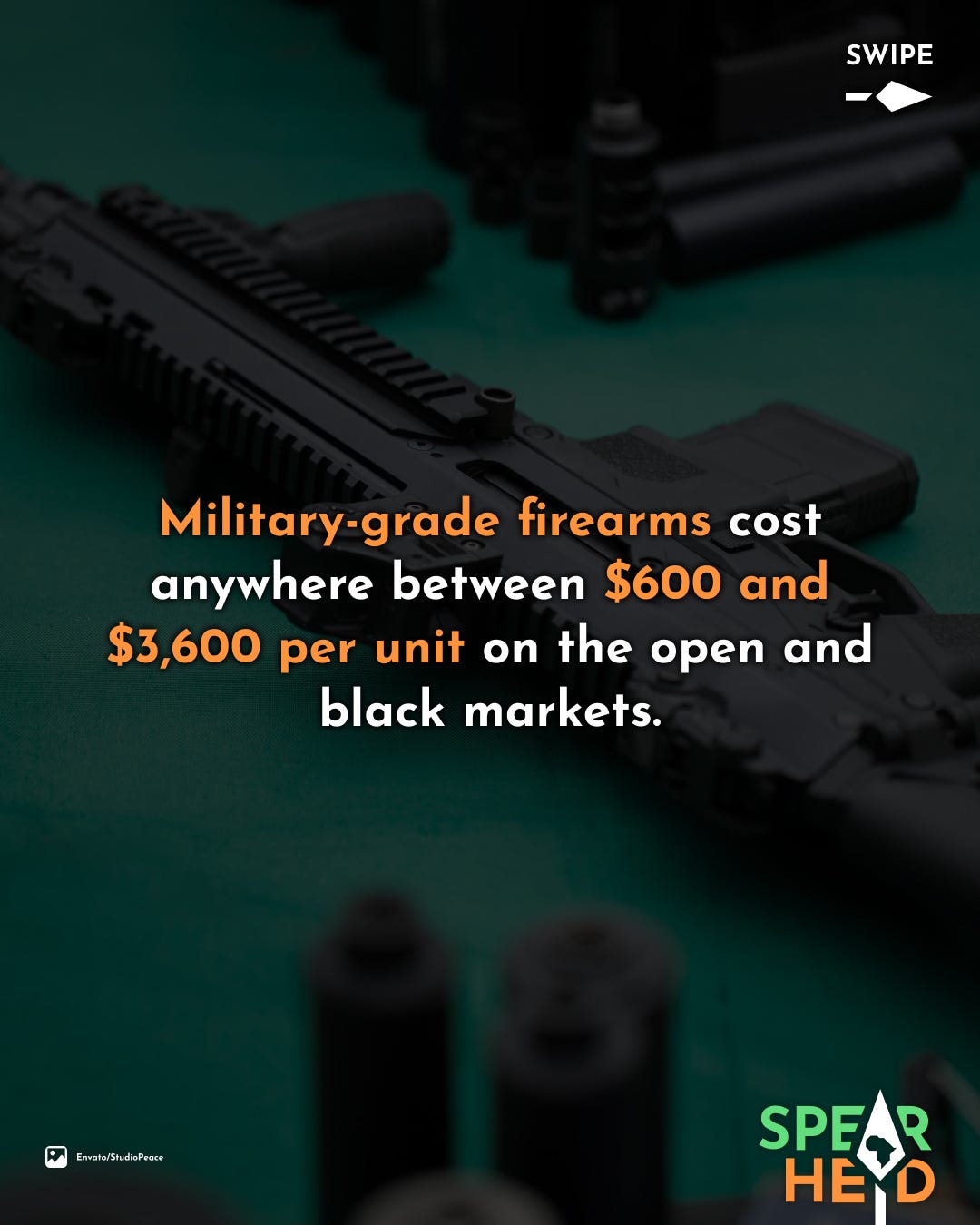
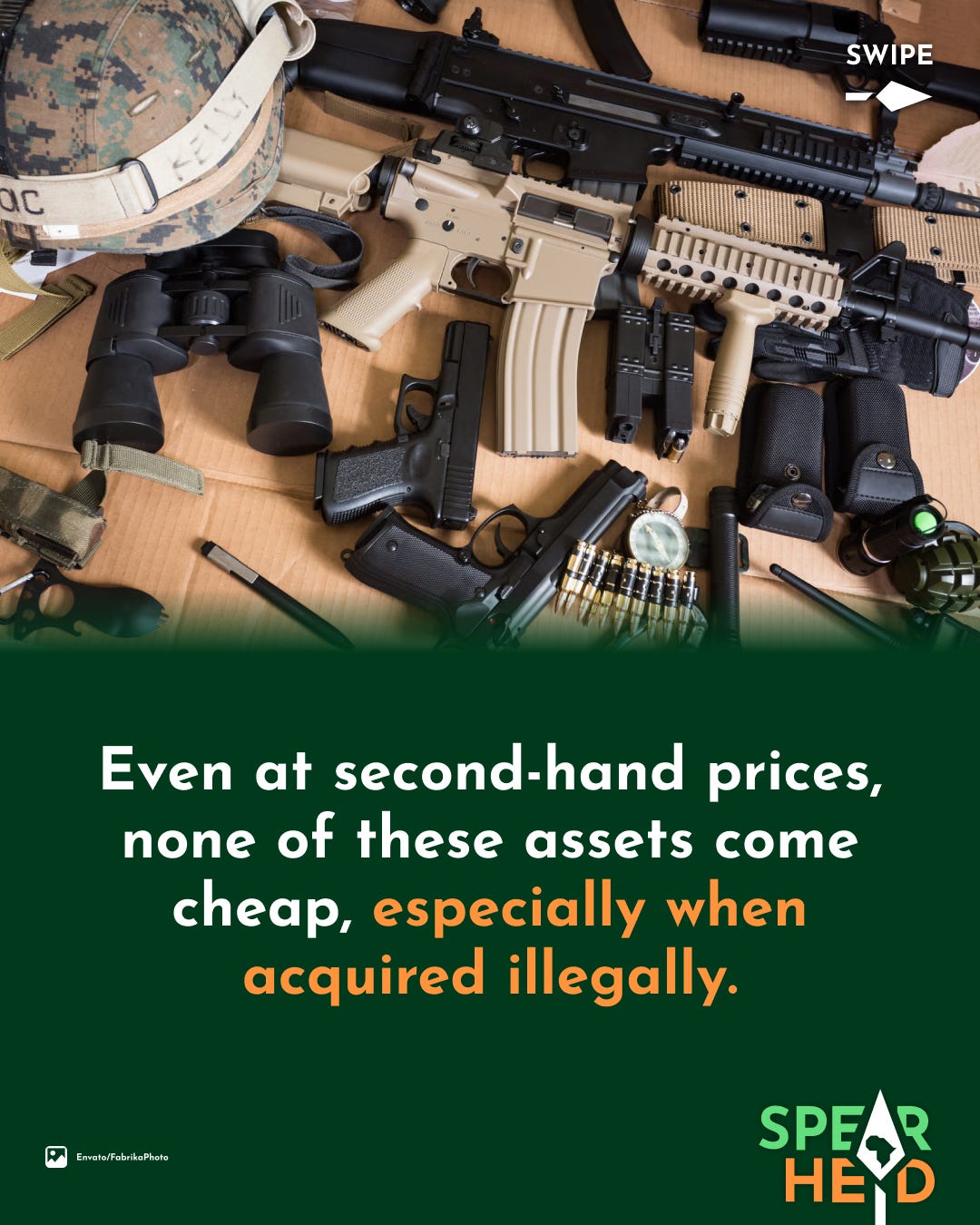
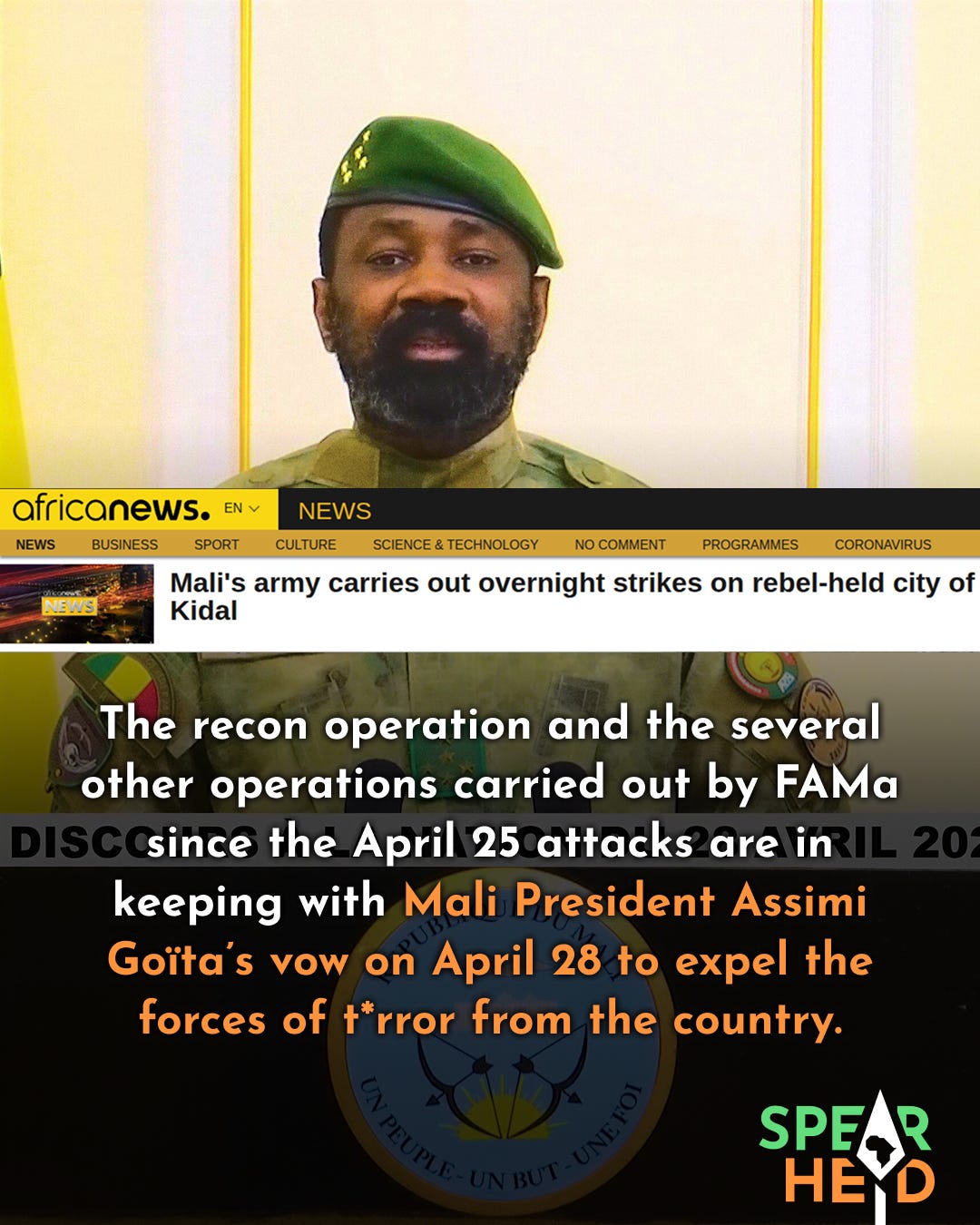
Mali Army Finds Solar Panels, Communication Equipment & Medical Supplies In T£rrorist Camp
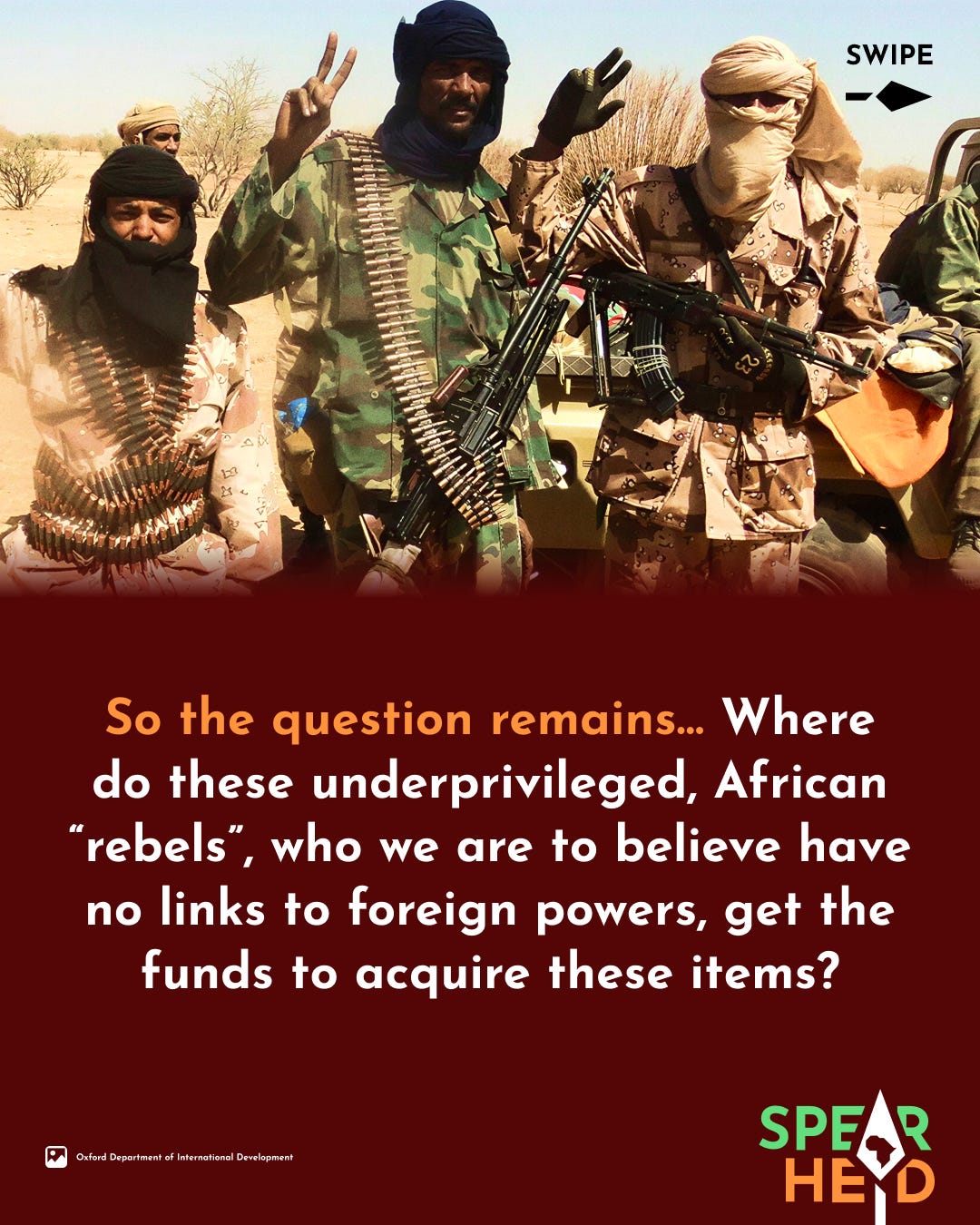
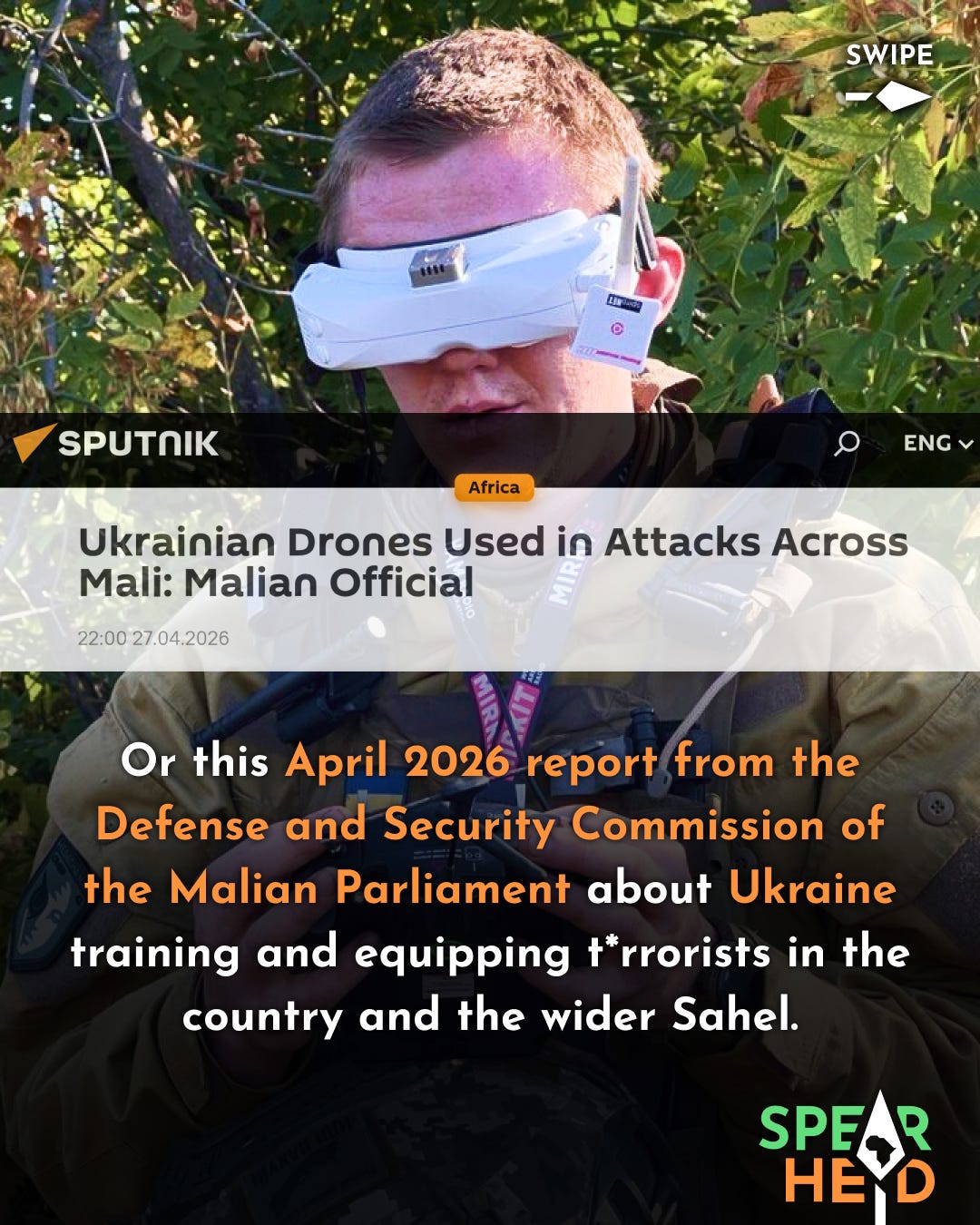
On April 25, 2026, the Malian Armed Forces (FAMa) foiled a series of coordinated t£rror att@cks targeting several cities across the country, primarily the garrison towns of Kati, Kidal, Gao and Sevare. The Al-Q@£da-linked Jama’at Nusrat al-Islam wal-Muslimin (JNIM) and the so-called Azawad Liberation Forces (FLA) both claimed responsibility for these attacks, whose scale and orchestration suggested substantial external backing – Al-Q@£da has known links to the US government.
On April 28, 2026, Mali President Assimi Goïta addressed the nation, assuring all that the situation was under control, and vowing to continue military operations until the forces of t£rror were expelled from the country.
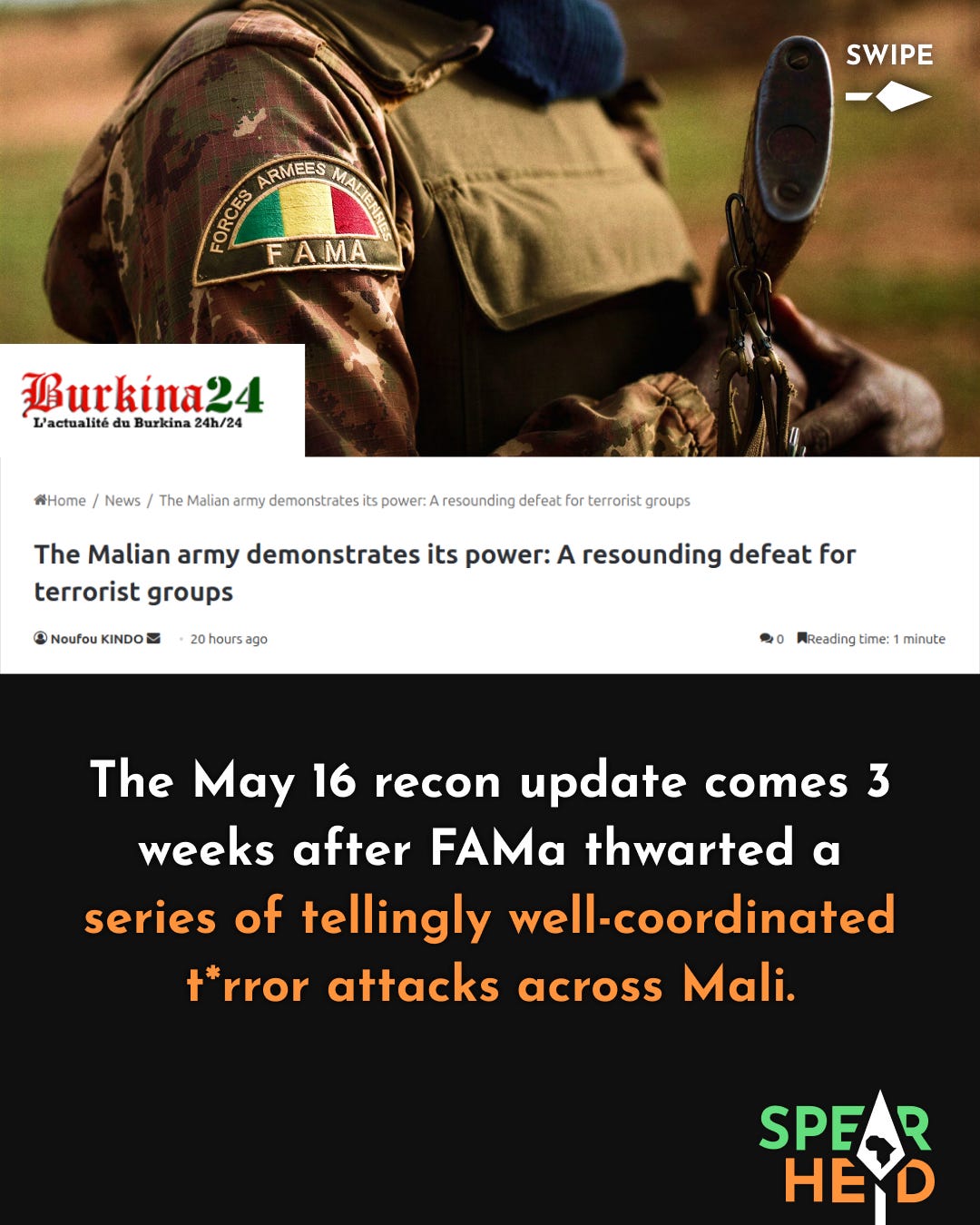
Since then, FAMa has carried out several successful operations, with technical support from Russia’s African Corps, to retake areas currently under t£rrorist control. FAMa’s findings during these operations attest to what many already know about the situation in the Sahel, and what is truly behind it.
As a member of the Alliance of Sahel States (AES), Mali has faced relentless att@cks by Western-backed t£rrorists, economic isolation and sovereignty violations by Western-aligned African states, and endless slander from Western and Western-aligned media. Despite these externally-imposed challenges, the country and its fellow AES members, Niger and Burkina Faso, have continued to record economic and political wins.
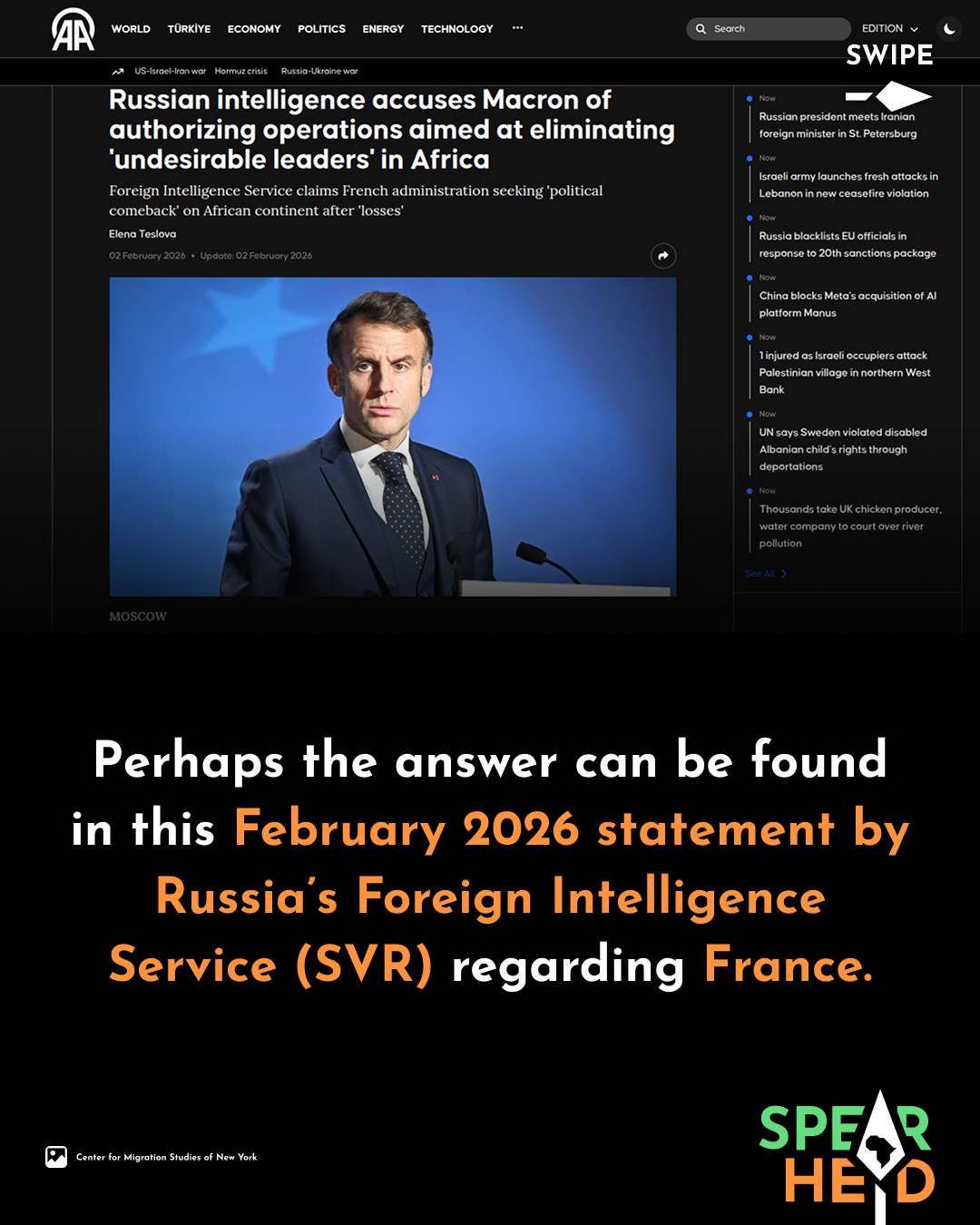
All 3 AES members have pointed to former colonizer France as a key sponsor of t£rror in the region – a claim which has been corroborated by their international allies – and France itself has made no bones about its intentions to revive its dwindling influence in Africa, and in so doing, shore up its presently crumbling economy.

Uganda President Museveni Signs Landmark Bill To Curb Foreign Influence In Country
On May 17, 2026, Ugandan President Yoweri Museveni signed a landmark bill into law aimed at curbing foreign influence in the East African country. The Protection of Sovereignty Bill, 2026, mandates that all individuals and groups in Uganda linked to foreign entities register with the Ugandan government as foreign agents, and declare their finances to the state – with hefty punishments for violations.
The bill was and continues to be criticized by all the usual Western-aligned suspects, using the usual “human rights”, “freedom of speech” soundbite playlist. But it is telling to note how these “critics” never seem to have much to say about the Western governments they answer to, despite each and every one of these governments having similar laws in place.
At a time when the West has never been more desperate to tighten its grip on Africa – having used NGOs and civil society groups as covert weapons to bend the continent to its will for decades – Africans would do well to see through this tired trick, and take a page out of Uganda’s book.
Follow The Spearhead on the following platforms:
TikTok - http://tiktok.com/@spearhead_af
YouTube - http://youtube.com/@spearhead_af
Instagram - http://instagram.com/spearhead_af
Threads - http://threads.com/@Spearhead_Af
Facebook - https://facebook.com/spearheadafrica
Rumble - rumble.com/user/spearhead_af